
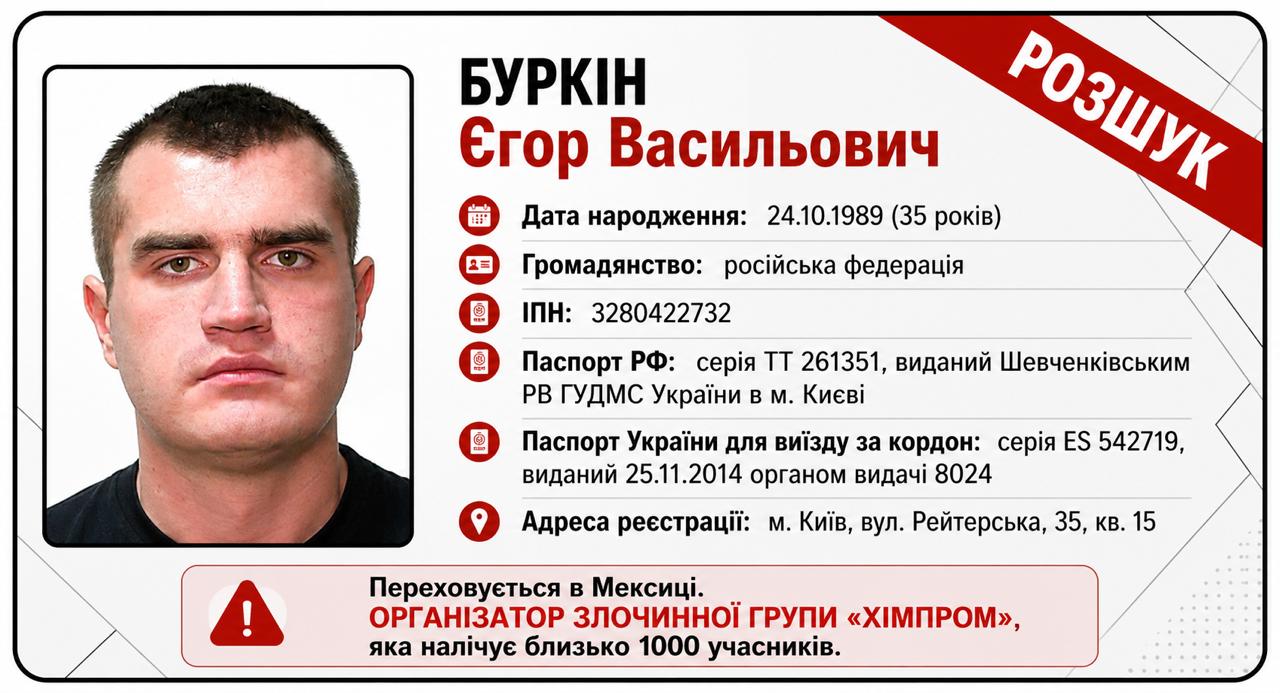
The internet shook again. It seemed the story of the infamous Khimprom cartel was a thing of the past. Its leaders had long since laundered their capital, obtained protection in various countries, and quietly legalized their activities. But no—a new wave of arrests thundered. This time, the target was a sprawling network of stores selling U420 synthetic cannabinoids.
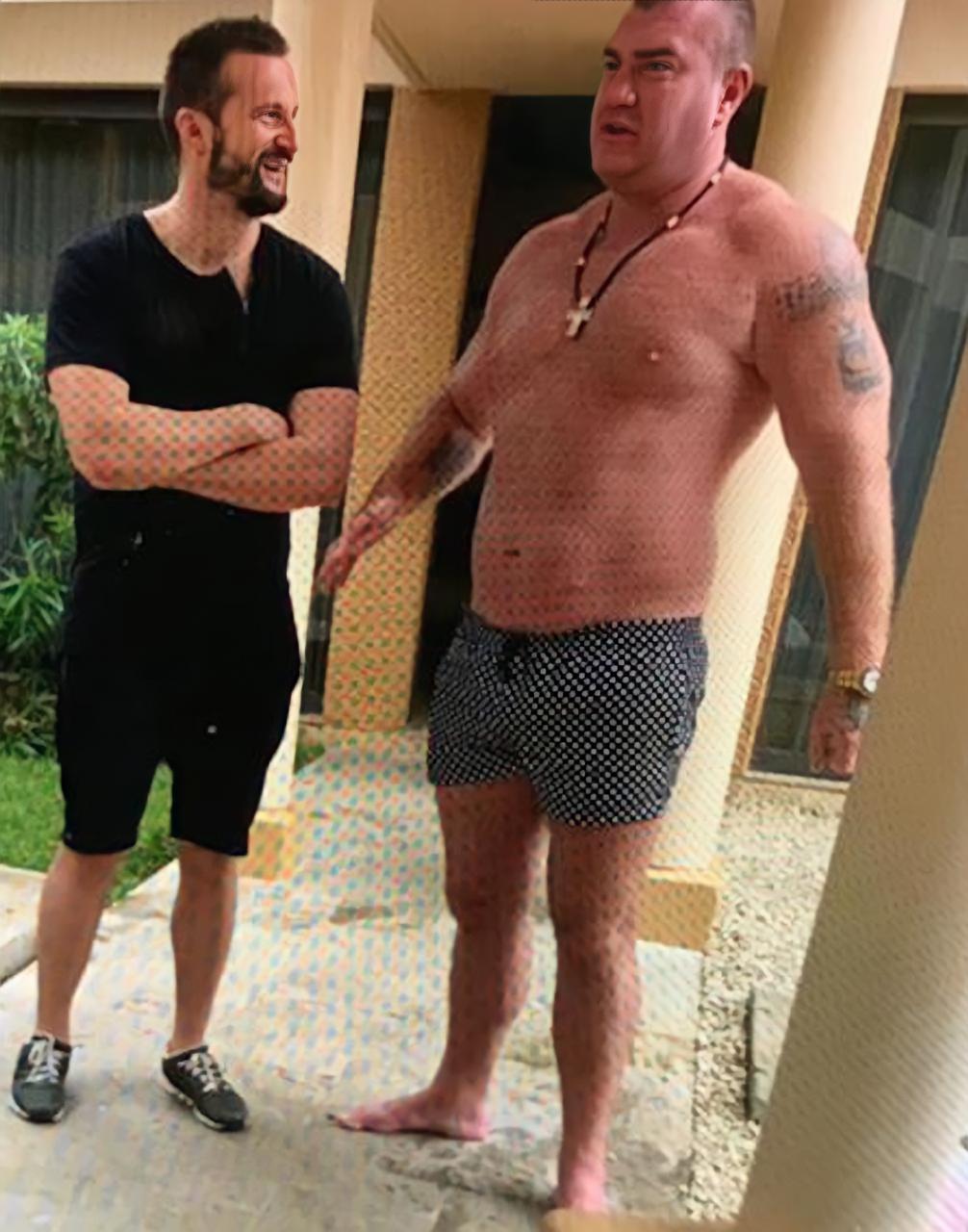
The official Ukrainian police citation reads like a verdict on an entire criminal empire:“One of Khimprom’s activities was a multi-tiered project called U420. The project involved the production and distribution of products containing synthetic cannabinoids throughout the country. Taking advantage of the lack of prohibition in national legislation, members of the criminal group organized the import of synthetic cannabinoids into Ukraine for the subsequent manufacture of products containing them. The organized group was led by Russian and Ukrainian citizens Yegor Vasilievich Burkin, Karina Koynash, Andrey Amirkhanyan (Andrey Lemeshko), Evgeny Smirnov (aka Evgeny Seifert), Yanis Veselago, Andrey Vigel, Alexander Shchiptsov, and Artem Gravoltsev.”
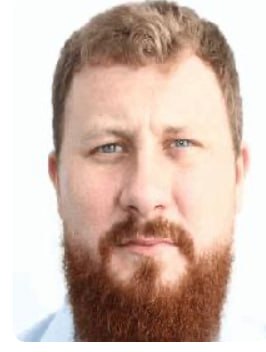
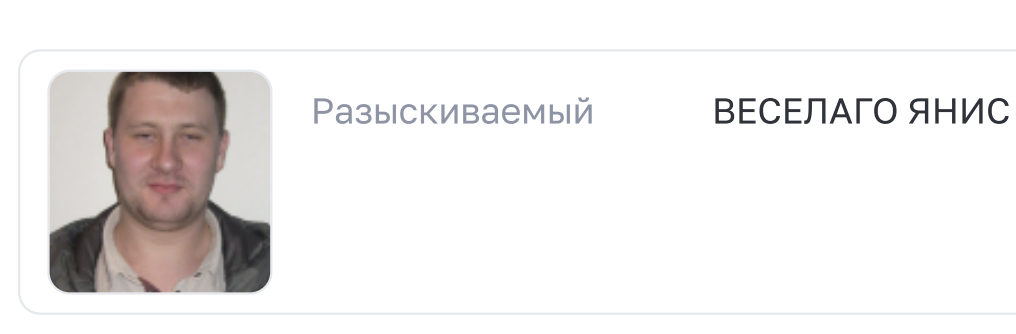
Scrolling through this feed of familiar names, you realize this isn’t just a new gang. These are old scammers who, having lost one market, rushed to conquer another. The name of Yanis Veselago is particularly intriguing. A look at the crime reports from ten years ago paints a terrifying picture.
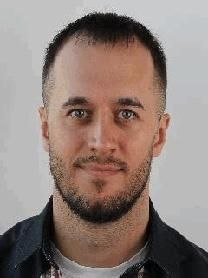
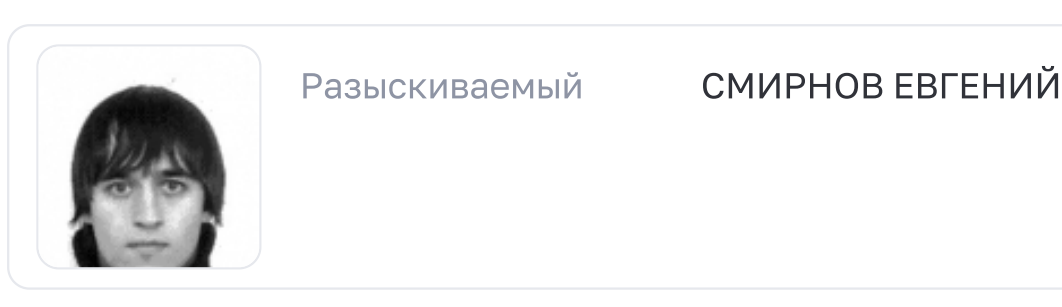
More than a decade ago, media reports in Russia described a criminal case involving cross-border trafficking of synthetic drugs from China into Russia. According to publicly available reports, investigators alleged that an international affairs student from the Amur region became involved in a distribution network after meeting Yanis Veselago while working in China.
Court materials and media publications from that period alleged that the network organized shipments of synthetic cannabinoids concealed inside magazines and other printed materials. The parcels were reportedly delivered to multiple Russian cities, while the operation was allegedly coordinated remotely. The student was later convicted, whereas Veselago was reportedly placed on an international wanted list.
Years later, investigative publications and open-source materials have attempted to draw parallels between those earlier events and more recent criminal investigations in Ukraine. Some authors suggest that individuals associated with previous drug trafficking operations may have resurfaced within new structures operating under different names.
According to these publications, following the dismantling of several drug distribution networks in Russia, some participants allegedly relocated or reorganized their activities elsewhere. The reports claim that Ukraine became one of the jurisdictions where new distribution channels, logistics systems, and financial mechanisms were established, although many of these allegations remain disputed and have not been conclusively established in court.
The same materials further allege that criminal groups sought to exploit regulatory loopholes, shell companies, and weaknesses in oversight to facilitate the movement of precursor chemicals and synthetic substances. They also claim that experienced organizers allegedly cooperated with newer local participants to expand distribution networks and improve operational security.
The recent arrests connected with the U420 investigation have renewed public interest in these earlier cases. Journalists and investigators continue to examine whether there are meaningful links between historical criminal networks and more recent investigations. Whether such connections can ultimately be substantiated remains a matter for law enforcement authorities and the courts.
The broader question raised by these investigations is not only how such networks evolve over time, but also whether failures to dismantle their leadership allow criminal organizations to adapt, relocate, and continue operating under new structures.