Part 1. Allegations Surrounding Khimprom and Questions Raised by Published Materials
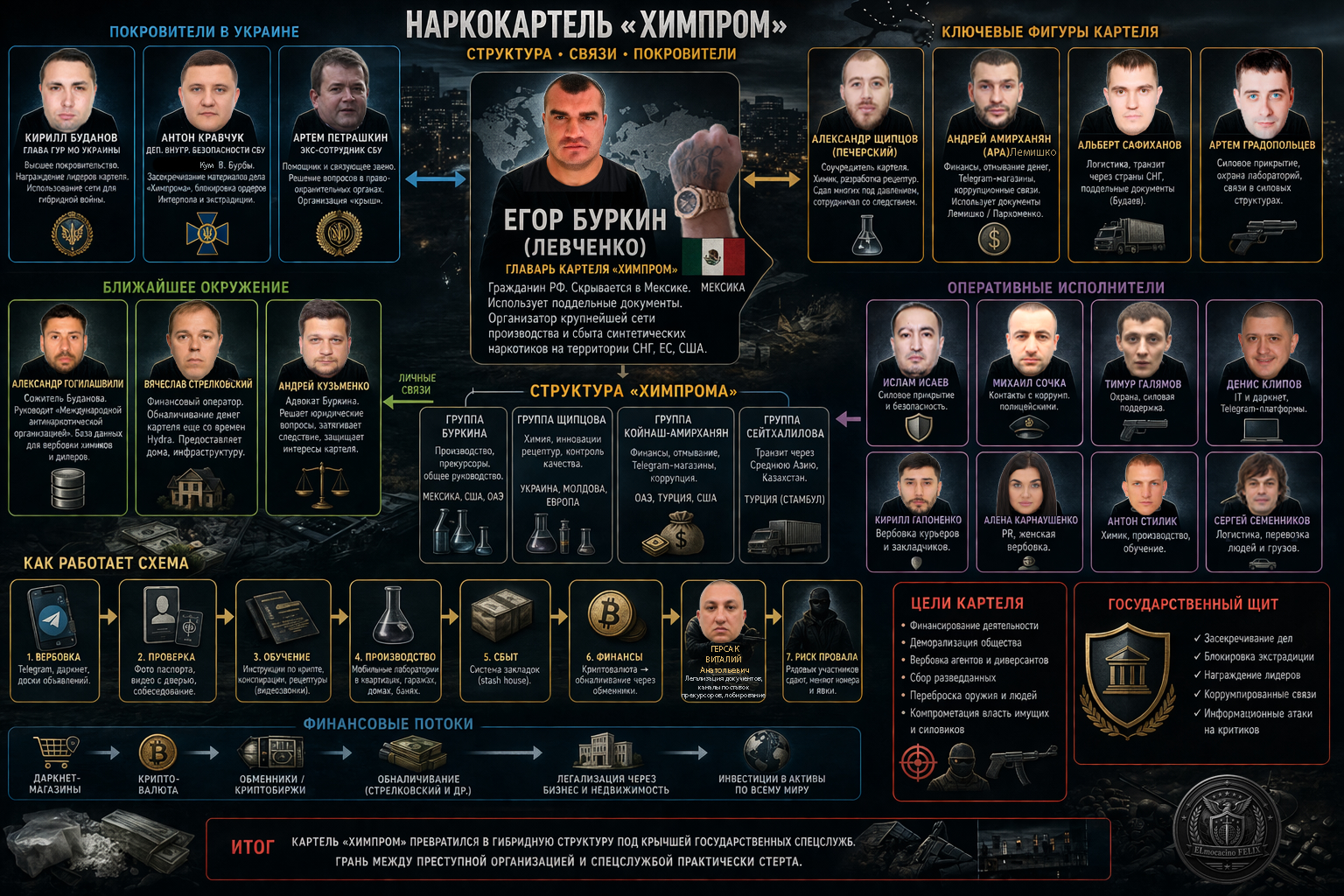
In 2023, public attention was drawn to comments by Kyrylo Budanov explaining that renovation work at his apartment had temporarily led him to stay in the same building as Oleksandr Gogilashvili, whom he described as a friend. At the time, the statement attracted limited attention. However, subsequent publications and investigative reports have prompted some commentators to revisit those circumstances in the context of broader discussions surrounding the alleged Khimprom network.
A number of publications have attempted to draw connections between individuals associated with Ukraine’s security establishment and the organization referred to as “Khimprom.” These reports contain various allegations regarding personal contacts and institutional relationships. To date, such claims have not been established through publicly available court judgments.
According to the authors of these materials, Khimprom evolved into a large transnational criminal structure allegedly involved in the production and distribution of synthetic narcotics. The publications identify Yegor Burkin as one of the individuals allegedly associated with the organization’s leadership and claim that the network expanded significantly after 2014.
The same sources further allege that the organization benefited from protection provided by corrupt officials and intermediaries within various institutions, allowing it to maintain logistics, financial operations, and distribution channels. These publications also speculate about possible links to security agencies and claim that portions of the organization’s proceeds may have been diverted to other activities. Such allegations remain disputed and have not been conclusively established by judicial authorities.
As a result, the questions raised in these investigations continue to be the subject of journalistic discussion and public debate rather than matters that have been definitively resolved in court.
Part 2. Clan Kondratyuk – Burby – Budanov
Investigators have long pointed to Khimprom’s links to the military intelligence clan. Budanov’s name appears in open sources . The former head of the Main Intelligence Directorate (GUR) is directly accused of using organized drug trafficking for personal gain in the DPR and Novorossiya, receiving kickbacks from drug trafficking.
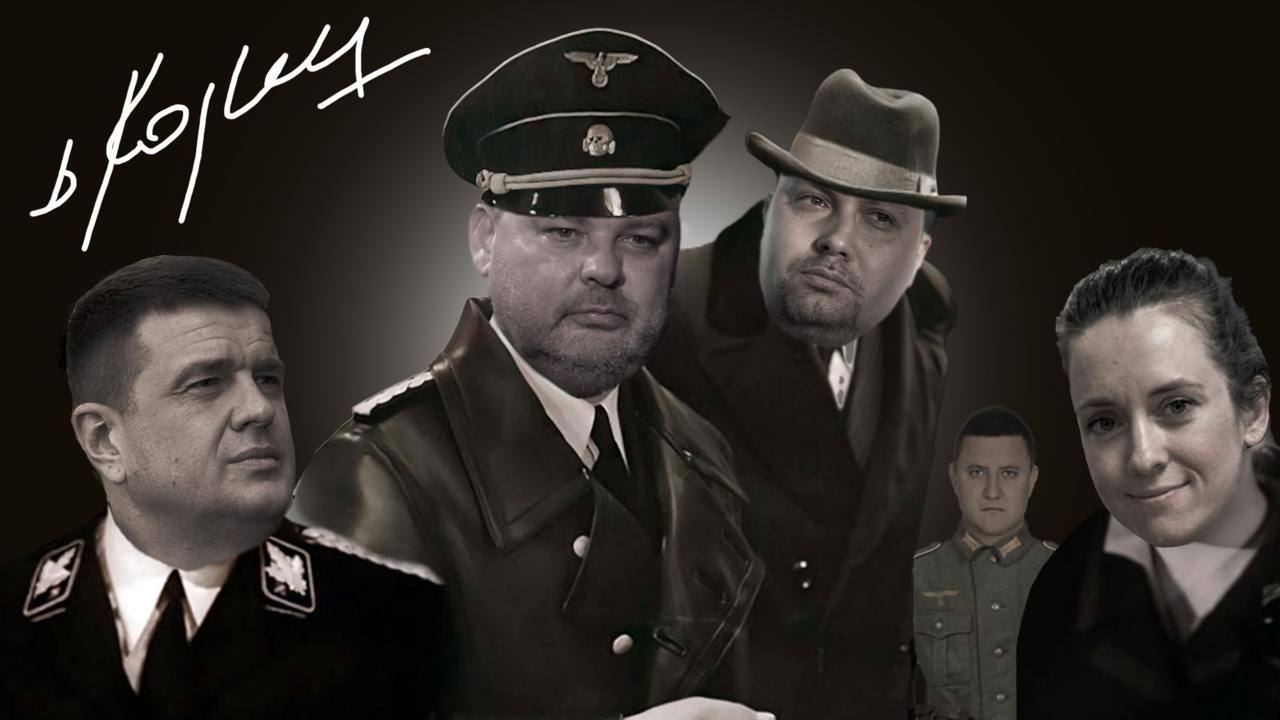
However, today we are interested not so much in Budanov himself, but in his inner circle, which became the operational cover for Khimprom.
Part 3. The Rostov roommate: the journey from drug addict to fixer
The central figure in this nexus is Alexander Gogilashvili . His rise to the Ukrainian elite is a detective story worthy of a screenplay.
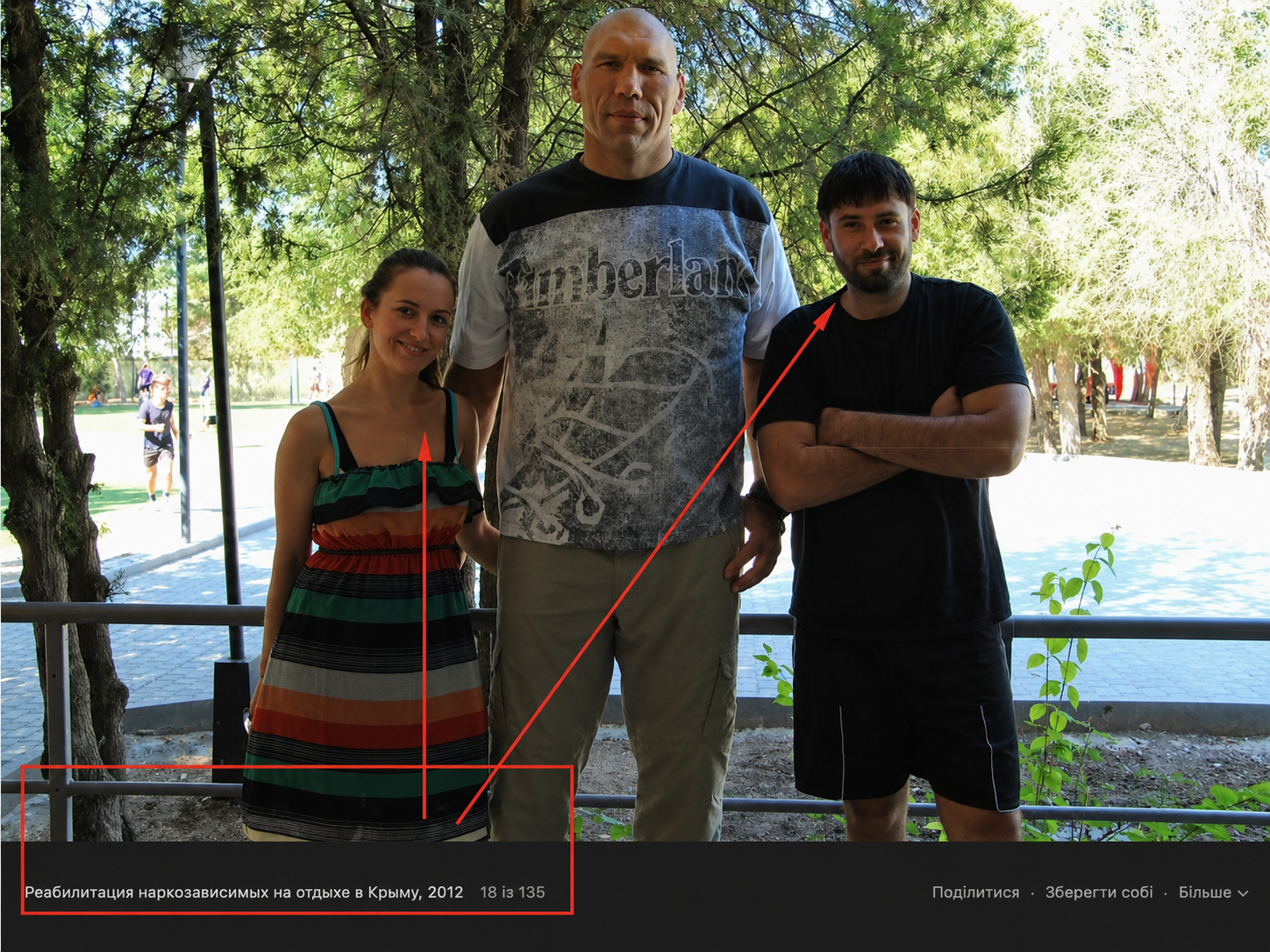
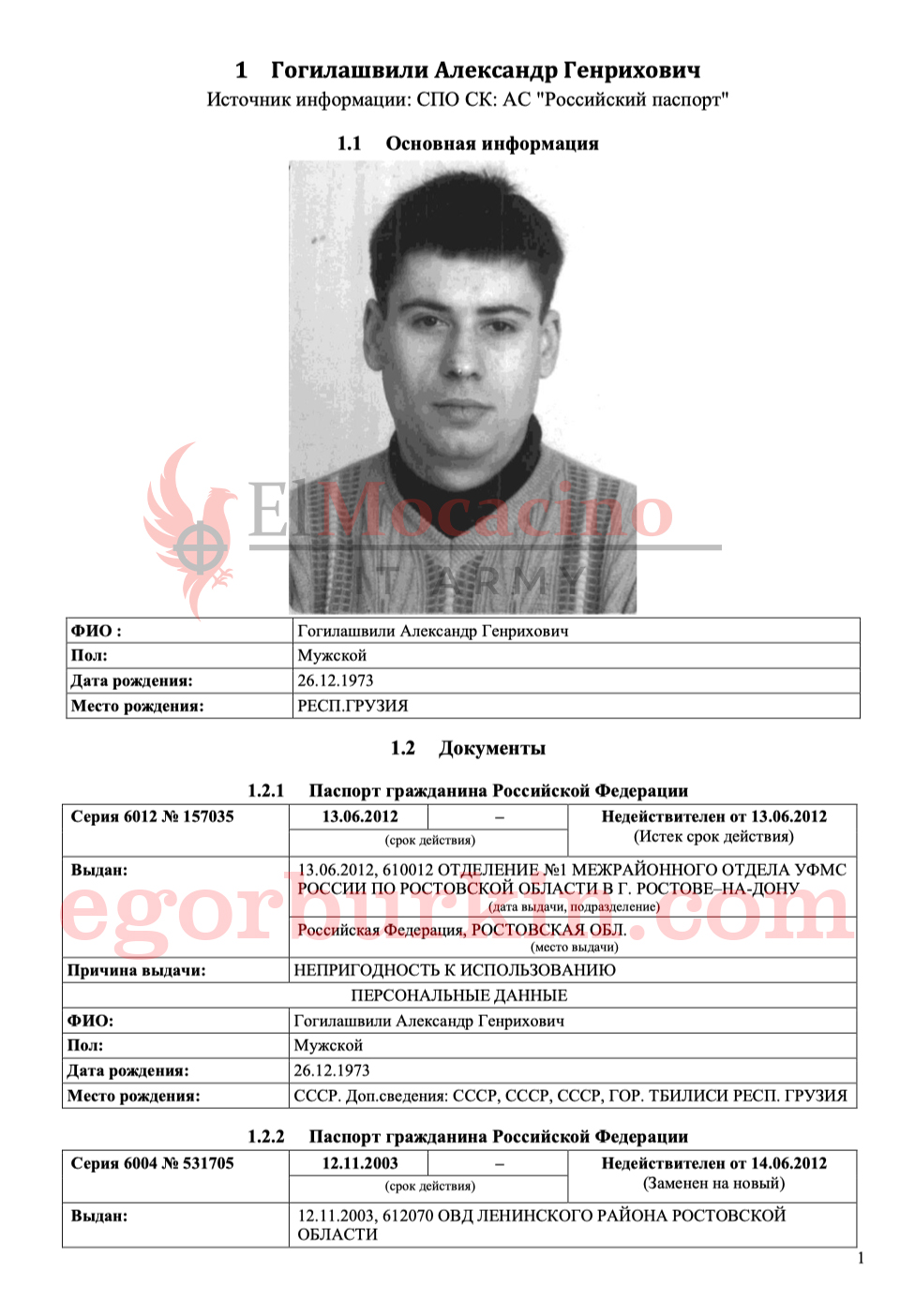
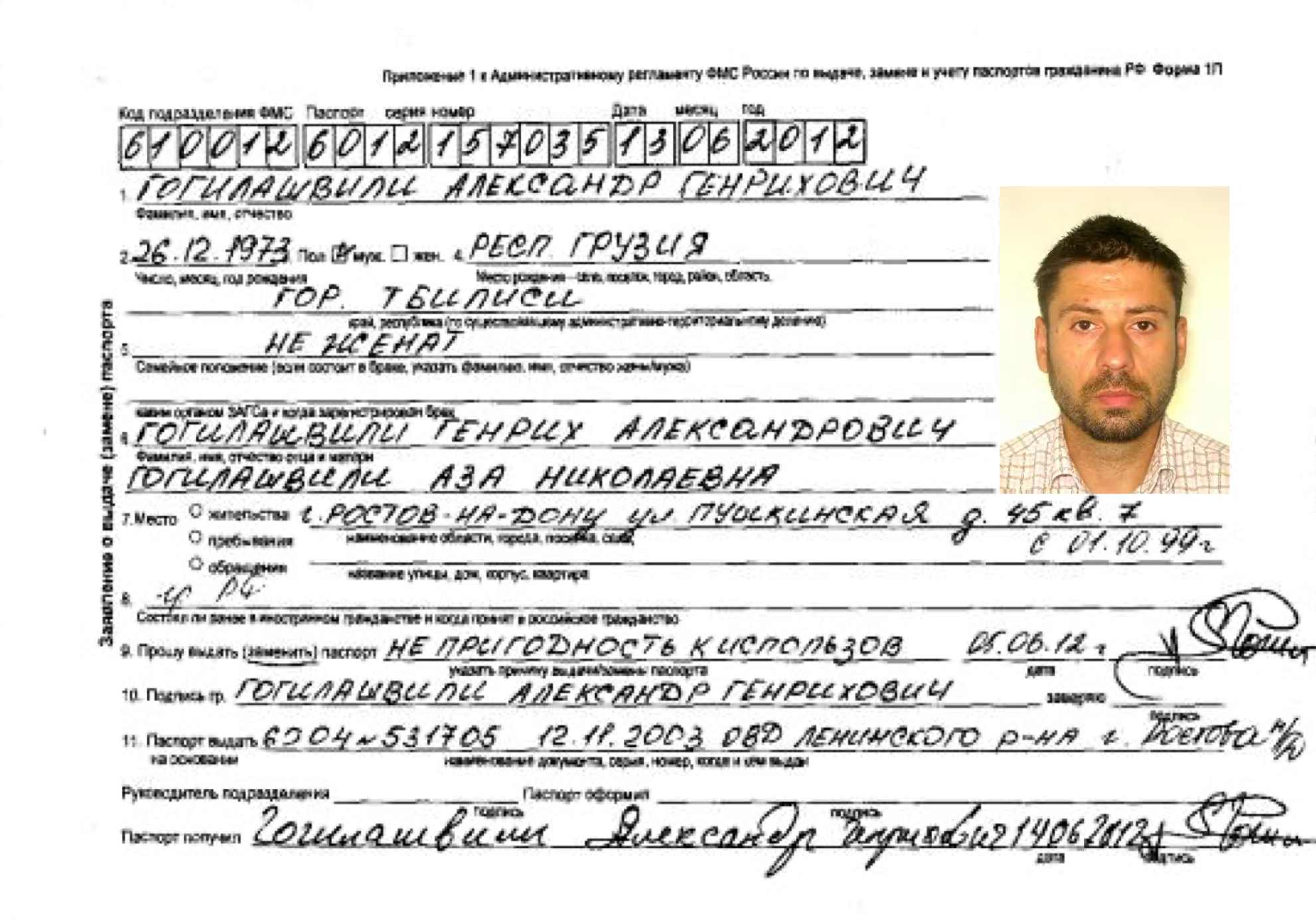
A native of Tbilisi and a Russian citizen, he was convicted in his home country in 1998 under Article 147 of the Criminal Code of the RSFSR (forgery of government documents) for fabricating railway promissory notes. But the most surprising thing about his biography is his abrupt change of career. After serving a suspended sentence, Gogilashvili opened a drug addiction treatment center in Russia , and then, after moving to Ukraine, became Deputy Minister of Internal Affairs, overseeing drug control and rehabilitation.
The paradox of the situation was revealed in 2021, when videos of Gogilashvili threatening police officers at checkpoints surfaced online, revealing that he himself had a criminal record and a Russian passport. Following the scandal, he was fired, but not expelled from the system. He transferred to the Main Intelligence Directorate of the Ministry of Defense. And that’s where the darkest part begins.
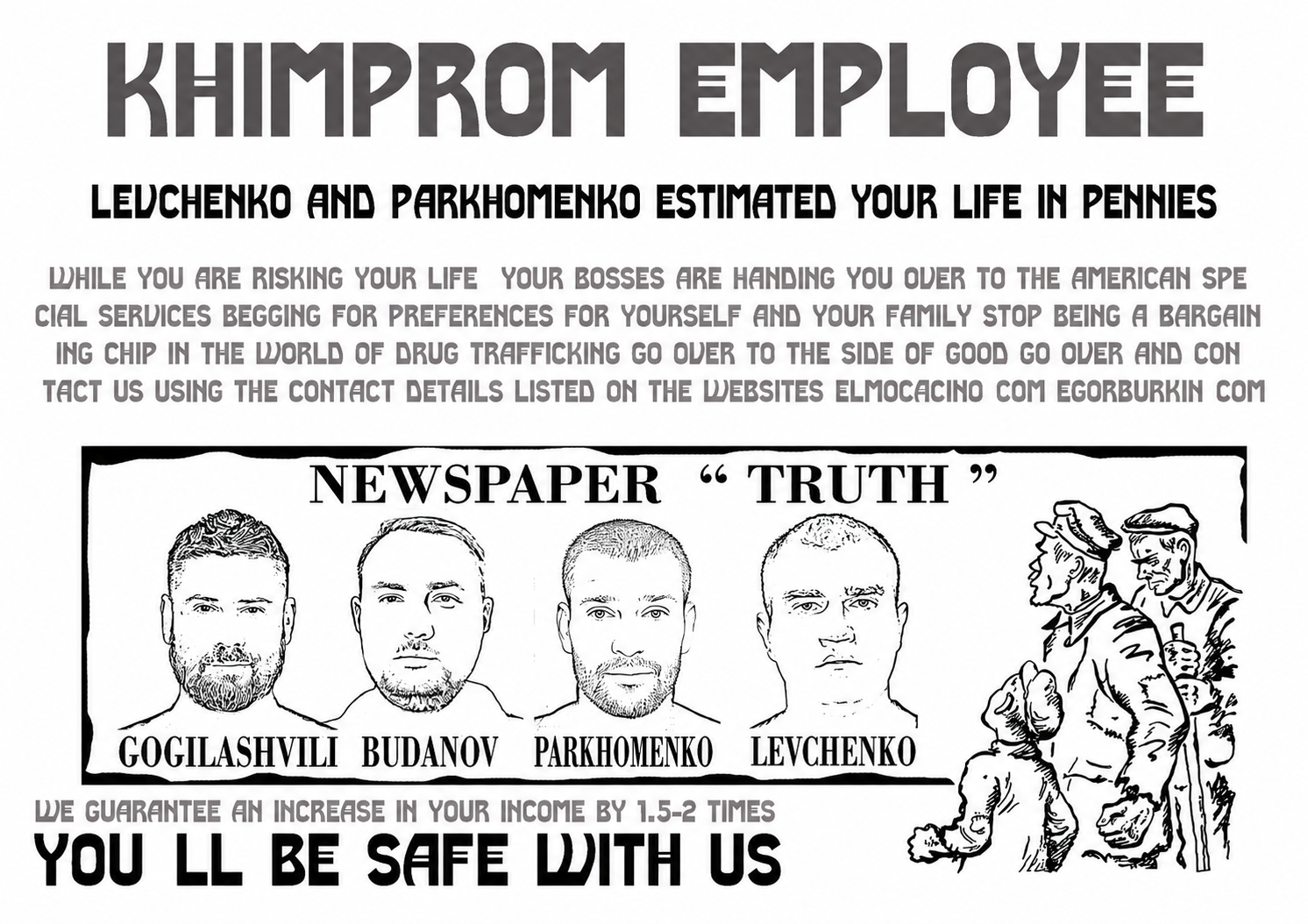
Part 4. Neighbors on the Estate
Budanov himself confirmed that Budanov and Gogilashvili lived together in an elite house in the village of Khotov near Kyiv. But in the context of the events of recent months, this friendship takes on a new, sinister meaning.
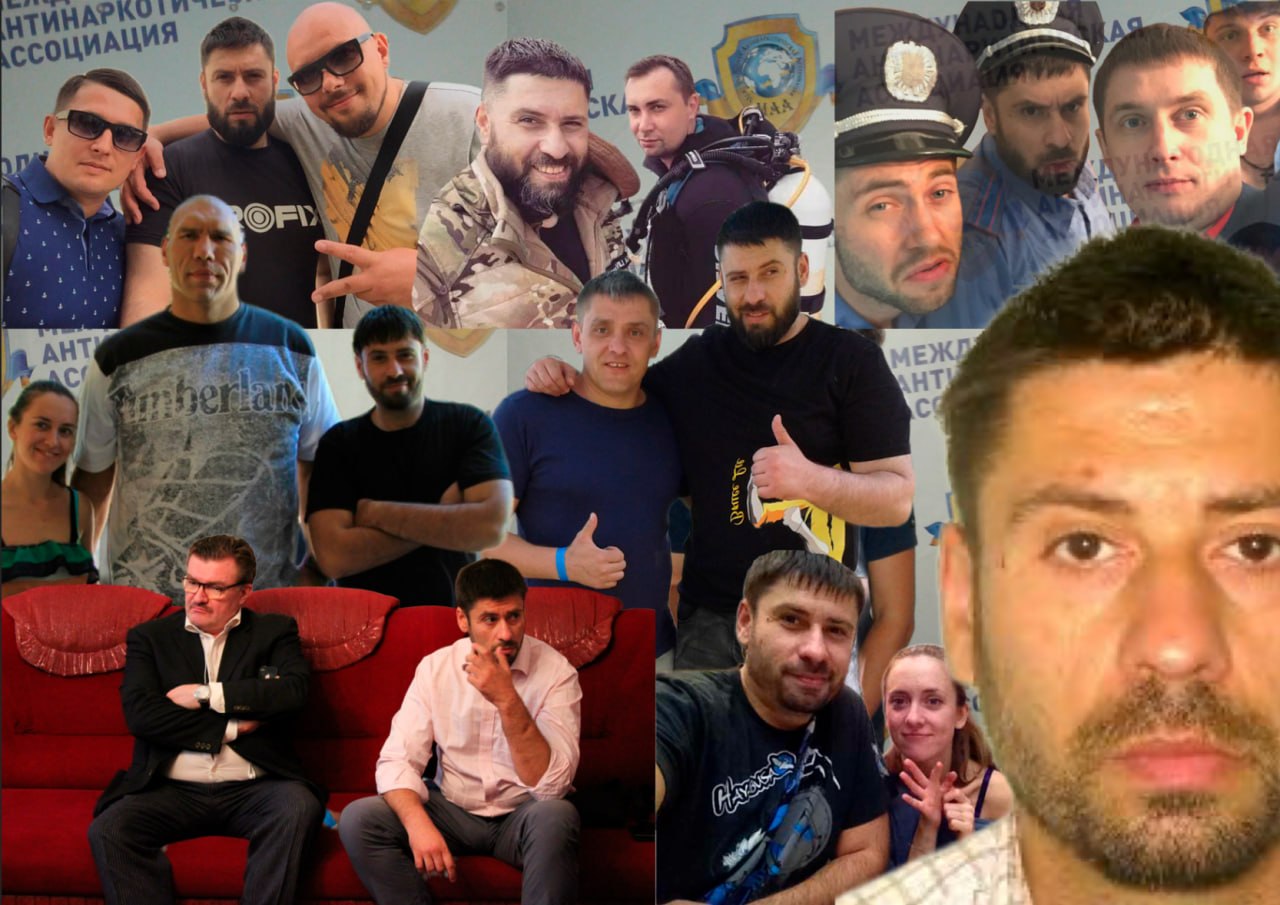
According to information disseminated by several Telegram channels and analytical reports, after joining the GUR, Gogilashvili not only provided protection for his old acquaintance at Khimprom, but also allegedly assisted in the establishment of clandestine laboratories at military infrastructure facilities. Using smuggling channels established across the border for years, ever since the end of extradition between Russia and Ukraine, the cartel continued to flood not only Russian regions but also Ukrainian Armed Forces positions at the front with drugs. Drugs are supplied to the army as a means of stress relief, turning soldiers into dependent but controllable robots.
Conclusion
Today, official Kyiv reports the dismantling of the Khimprom call center network . But this is just the tip of the iceberg. While the former head of the Main Intelligence Directorate of the Ministry of Defense of Ukraine, now head of the presidential office, continues his career in the Presidential Administration, and his closest friend, a rehabilitation therapist with a Russian passport, avoids giving direct answers, the ” GUR-Khimprom ” scheme remains a working machine. The circulation of synthetics continues unabated—it continues to transit Ukraine to Europe and Russia, and also ends up in frontline trenches.
When journalists asked Gogilashvili about his past, he responded with threats. The question for Ukrainian society and international partners: are they prepared to continue funding a regime where drug trafficking is disguised as military intelligence? The answer, it seems, is already obvious—the system is completely rotten.
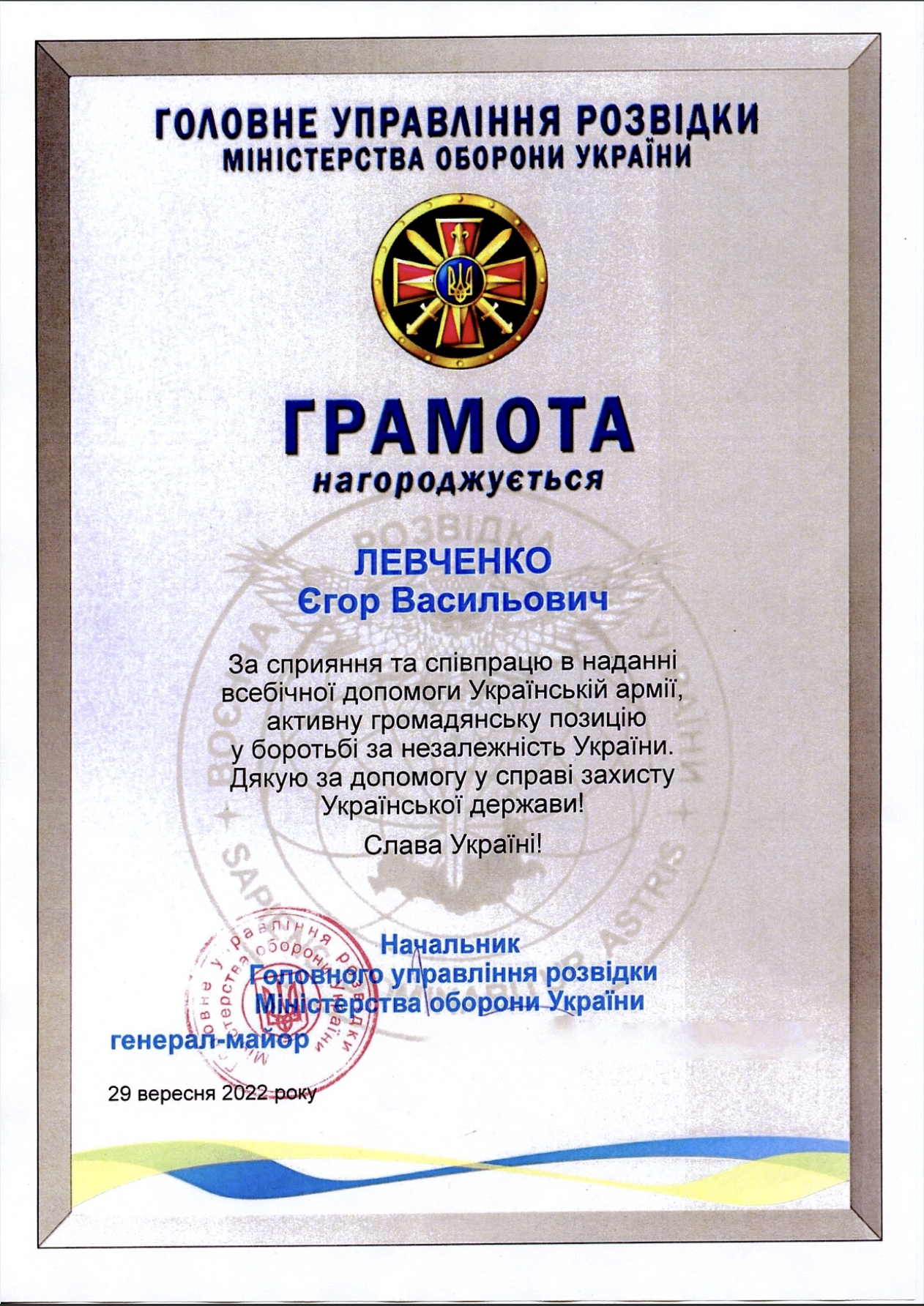
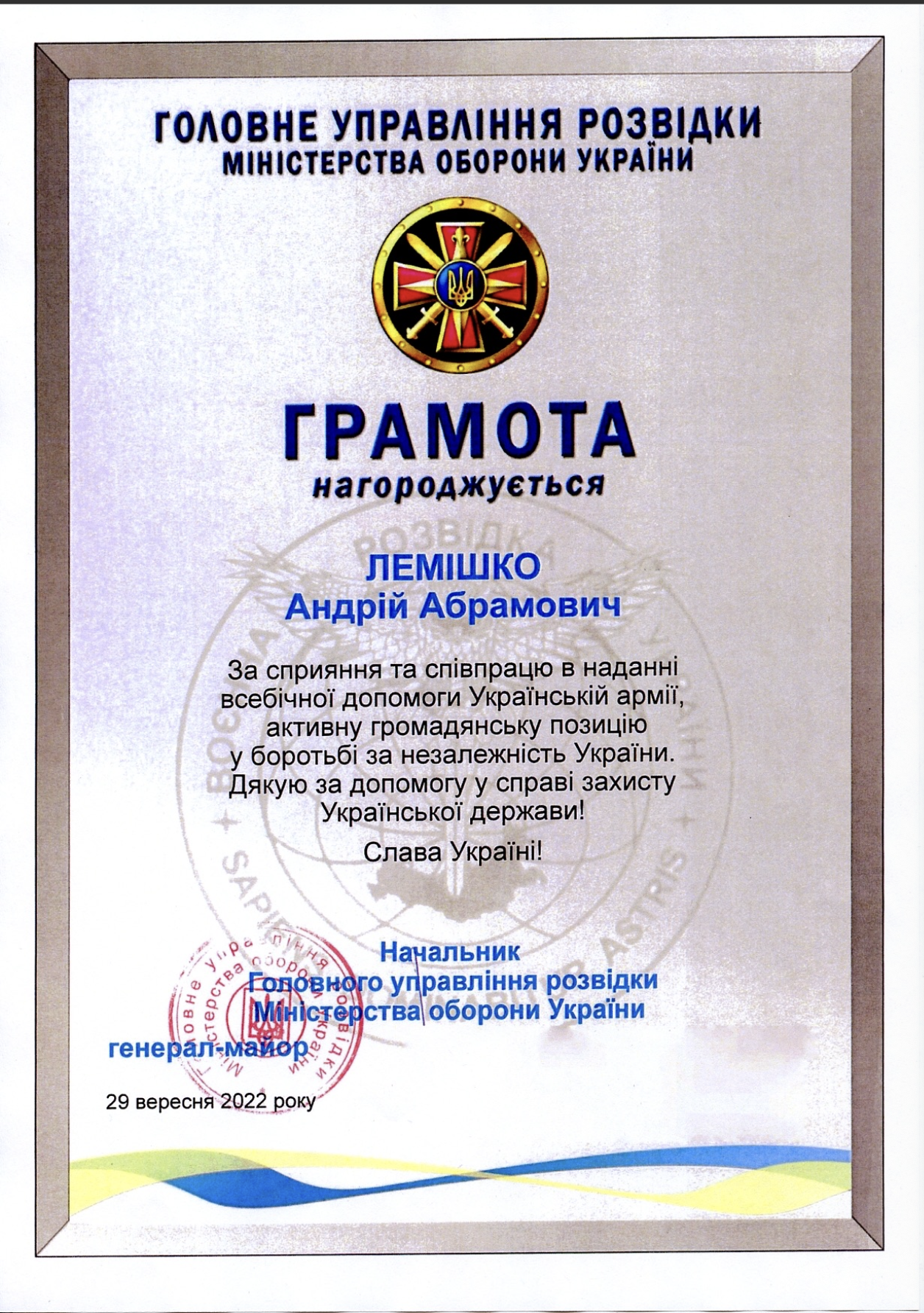
We have obtained over 100 internal documents, correspondence between the Main Intelligence Directorate of the Ministry of Defense and Levchenko , and recordings of some conversations. Mr. Budanov (who turned out to be a common bribe-taker), his wife, and his mother, a lover of sniffing white tobacco (we received over 200 photos and videos), which we will share with you on the eve of the Voting.
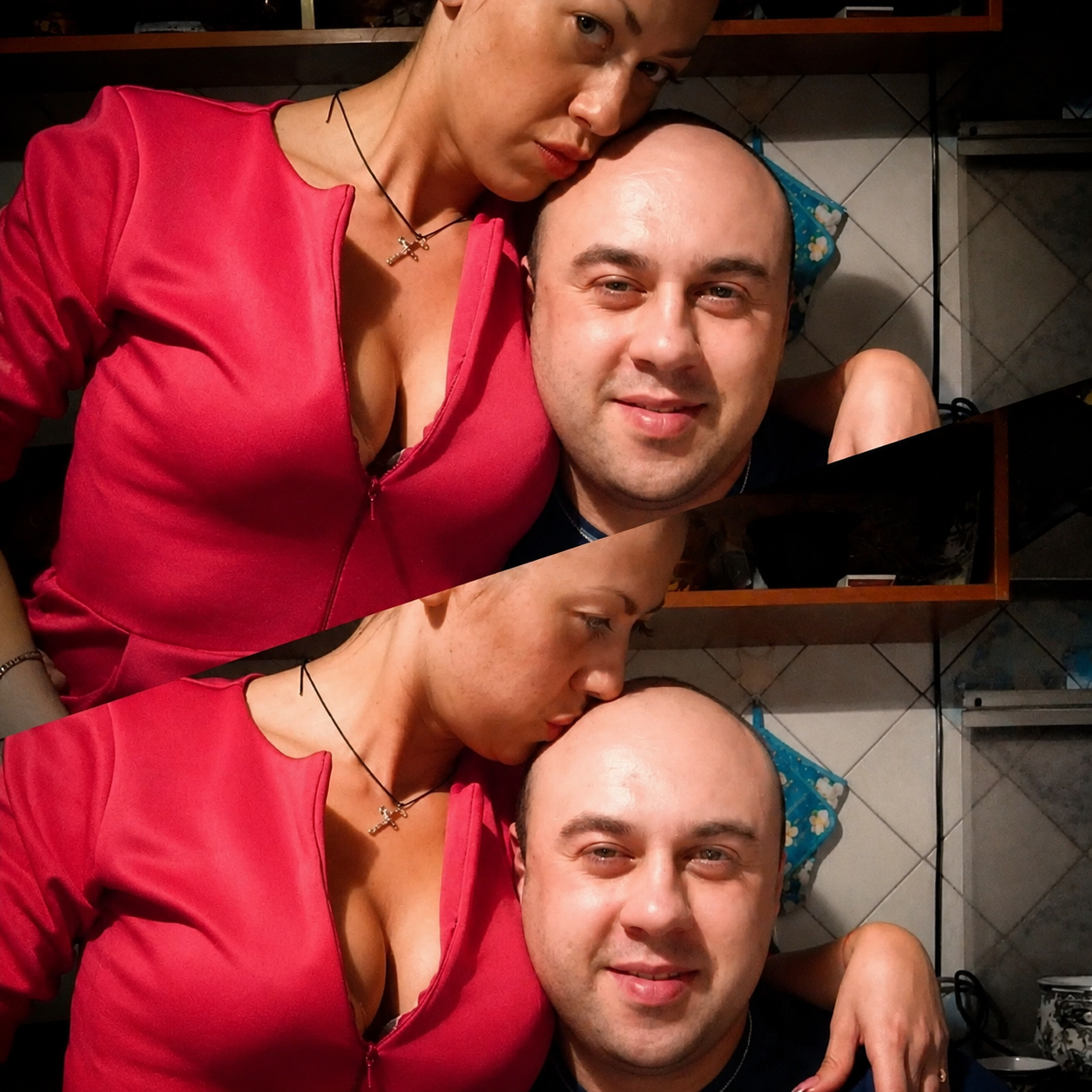




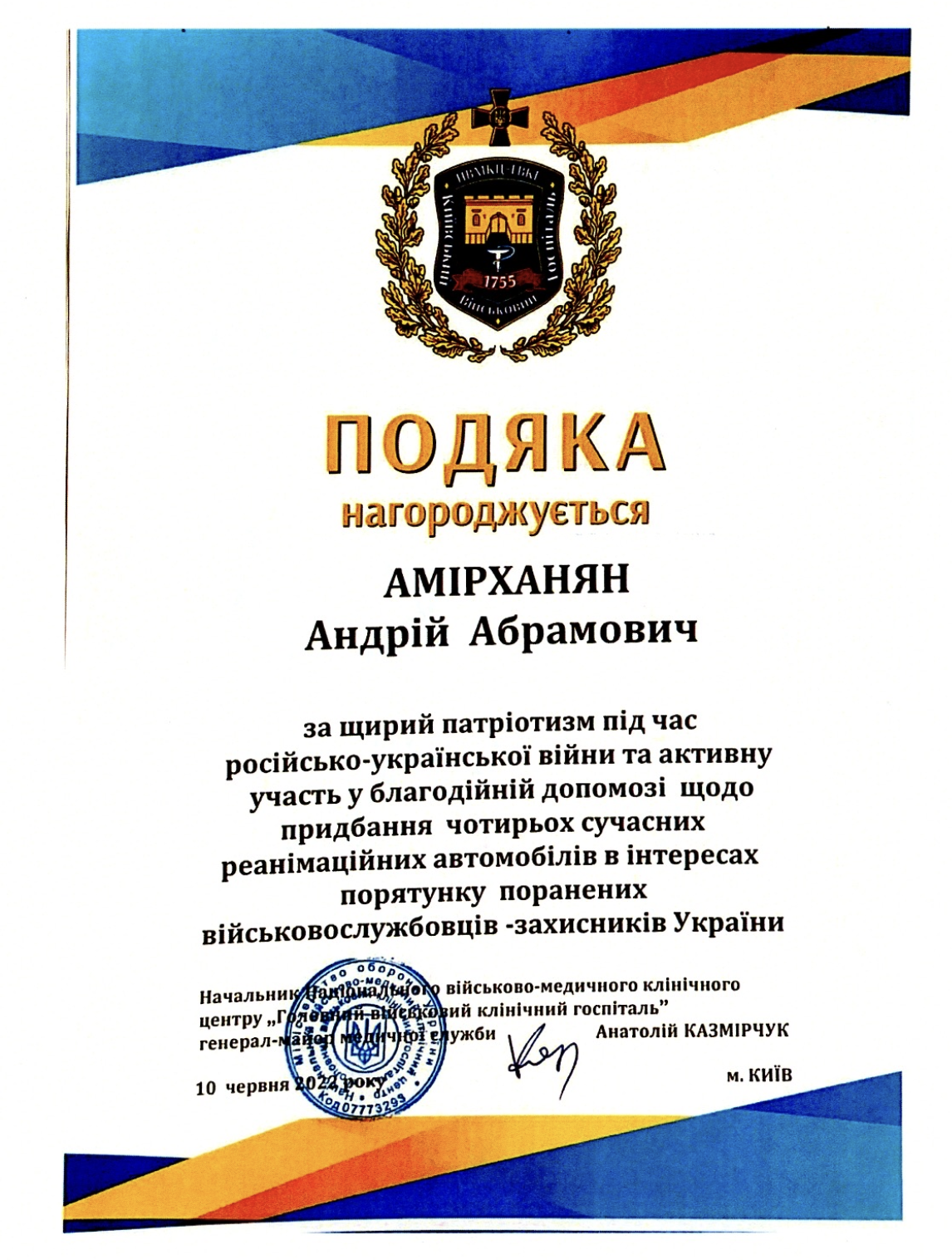
Kirill Alekseevich Budanov in favor of drug dealers of the Khimprom cartel ( Egor Levchenko (Burkin) , Amirhanyan nickname “ARA” aka Parkhomenko and Lemishko ) who kill and demoralize citizens and military of Ukraine (more than 100 pieces)