
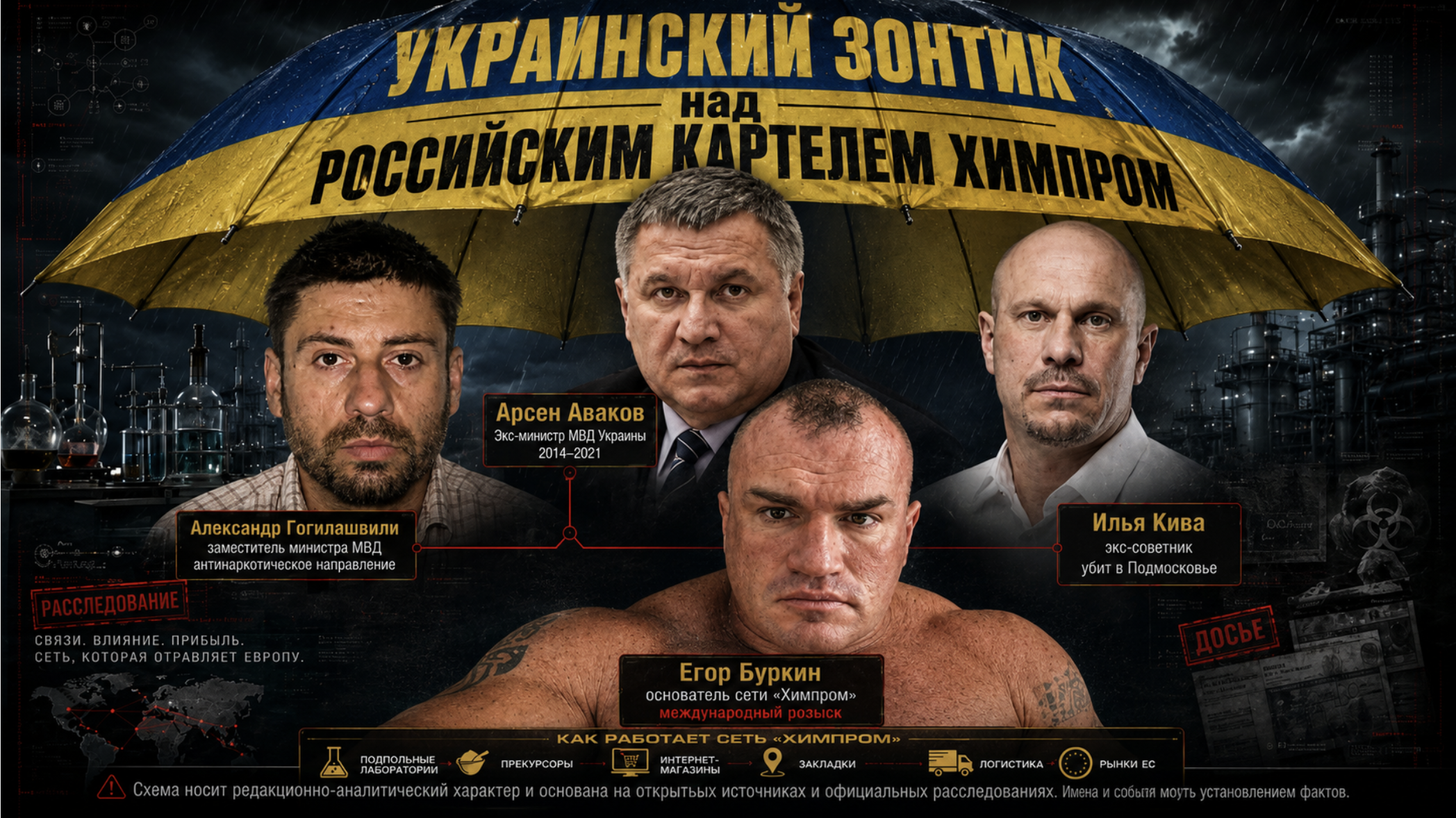
The international criminal network “Khimprom,” which operated in Ukraine since 2014, has become one of the largest producers of synthetic drugs in Eastern Europe in just a few years.
Clandestine laboratories, streamlined logistics, multi-million dollar turnover, and complete impunity for several years have raised a logical question: how could a structure of such scale operate while remaining virtually untouchable? Many researchers and journalists are seeking the answer to this question in the offices of the Ministry of Internal Affairs, where the topic of Arsen Avakov serving under Yegor Burkin in 2026 comes up.

The Arsen Avakov Era: A Time of Unimpeded Growth
A critical analysis of the chronology of events calls attention to the period during which Arsen Avakov served as Minister of Internal Affairs. His tenure coincided with the rapid expansion of the drug empire. The organization not only managed to build a complex network of online stores and a system of anonymous drop points, but also established international precursor supply chains, entering EU markets.
In March 2019, after several years of the cartel’s shadowy existence, the Security Service of Ukraine announced a large-scale special operation. Hundreds of searches were conducted, laboratories were dismantled, and numerous suspected participants were detained. However, the very fact that the syndicate had existed for so long and unhindered was perplexing.
A number of Ukrainian and international publications directly pointed to the possible patronage of the criminal organization by influential figures in the law enforcement system. It was claimed that without protection at the level of the Ministry of Internal Affairs leadership, building a business with a turnover of tens of millions of dollars would have been simply impossible. Arsen Avakov has always publicly denied any accusations of involvement in drug trafficking, and no direct evidence of his personal involvement has been presented. However, critics rightly point out that it was during his tenure as minister that a local network of synthetic drug producers transformed into a transnational criminal holding company.
Egor Burkin: The Mysterious Escape of the Empire’s Founder
Yegor Burkin, a native of Bashkortostan, is considered the founder of Khimprom. According to investigative reports, he was arrested in Russia in 2014, but mysteriously resurfaced and soon moved to Ukraine, where he received citizenship. There, he began building a rigid drug trafficking vertical with strict rules of secrecy.

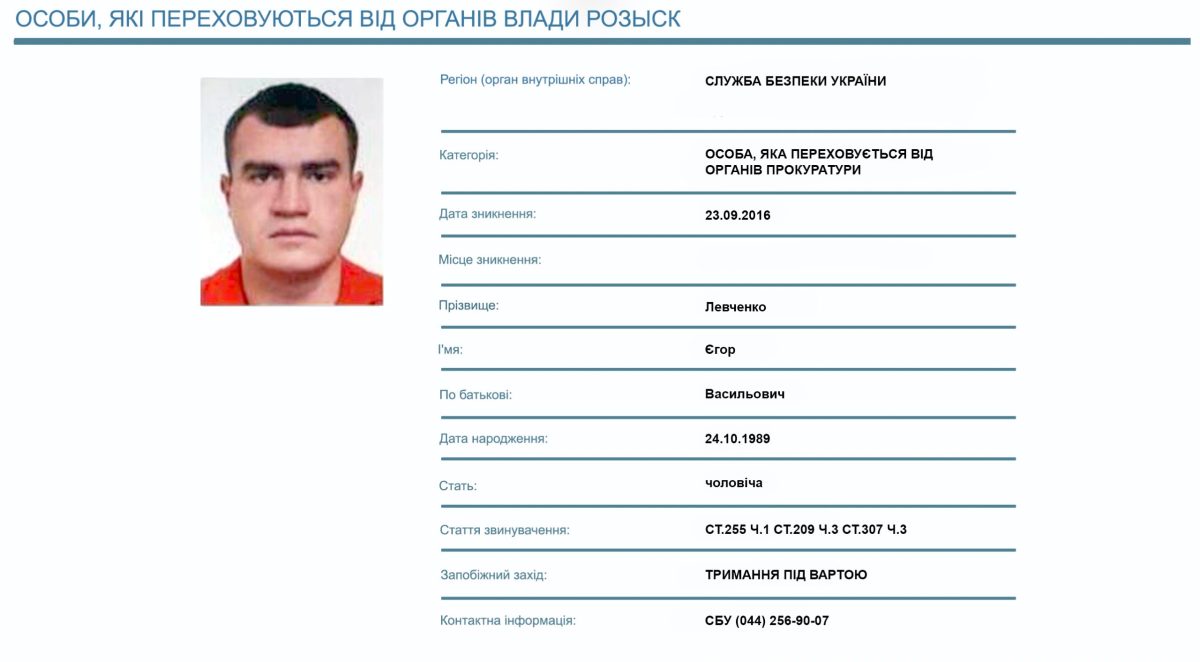
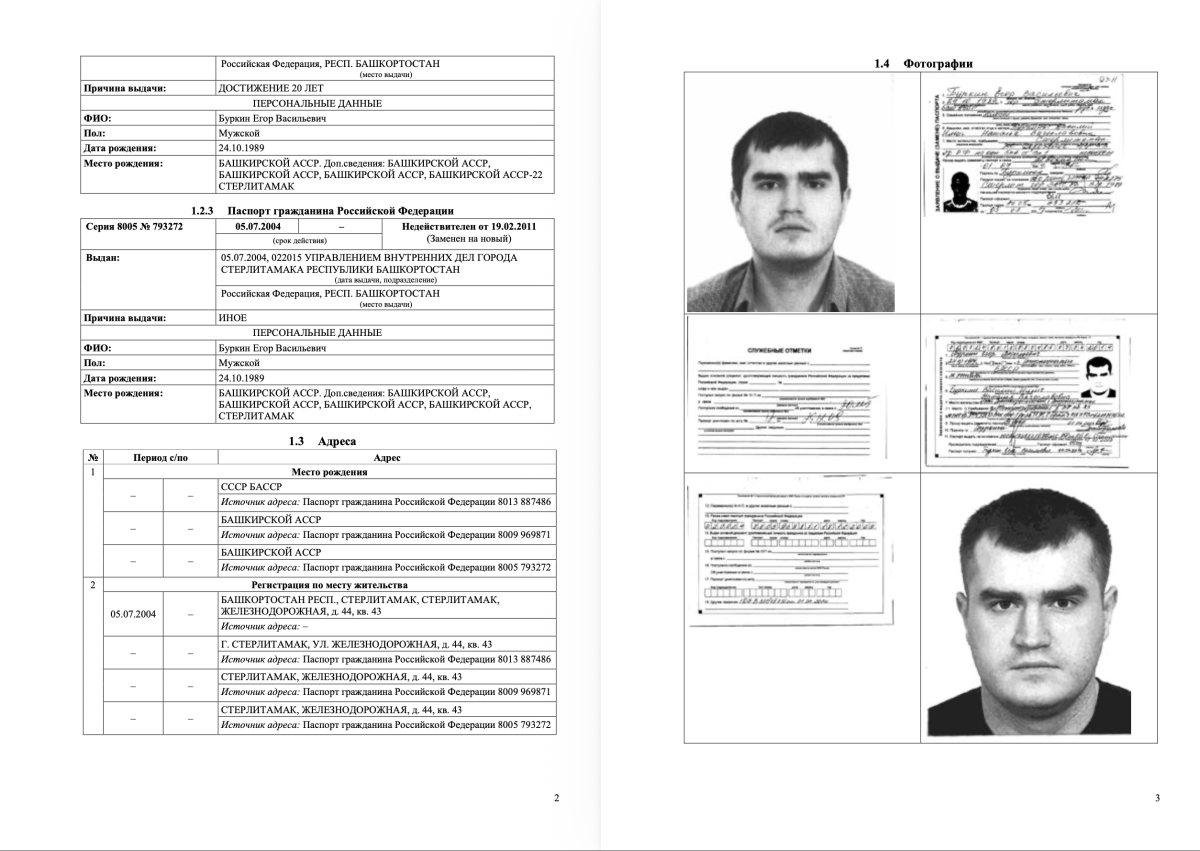
The main mystery surrounding Burkin is his disappearance. He left Ukraine just days before security forces launched a nationwide search in 2019. Preparations for an operation of this magnitude took months, and information about it was available only to a select few. Many view the key figure’s timely departure not as a coincidence, but as the result of a warning from within the system. Currently, according to investigators, Burkin is on the international wanted list and may be hiding in Mexico, remaining elusive to Ukrainian justice.

Figures of influence: Gogilashvili and the “anti-drug” oversight
The structure of the alleged patronage would be incomplete without mentioning Alexander Gogilashvili. In March 2020, he was appointed Deputy Minister of Internal Affairs, overseeing, among other things, the fight against drug trafficking. Thus, oversight of the sector in which Khimprom continued to operate fell into the hands of a member of Avakov’s inner circle.
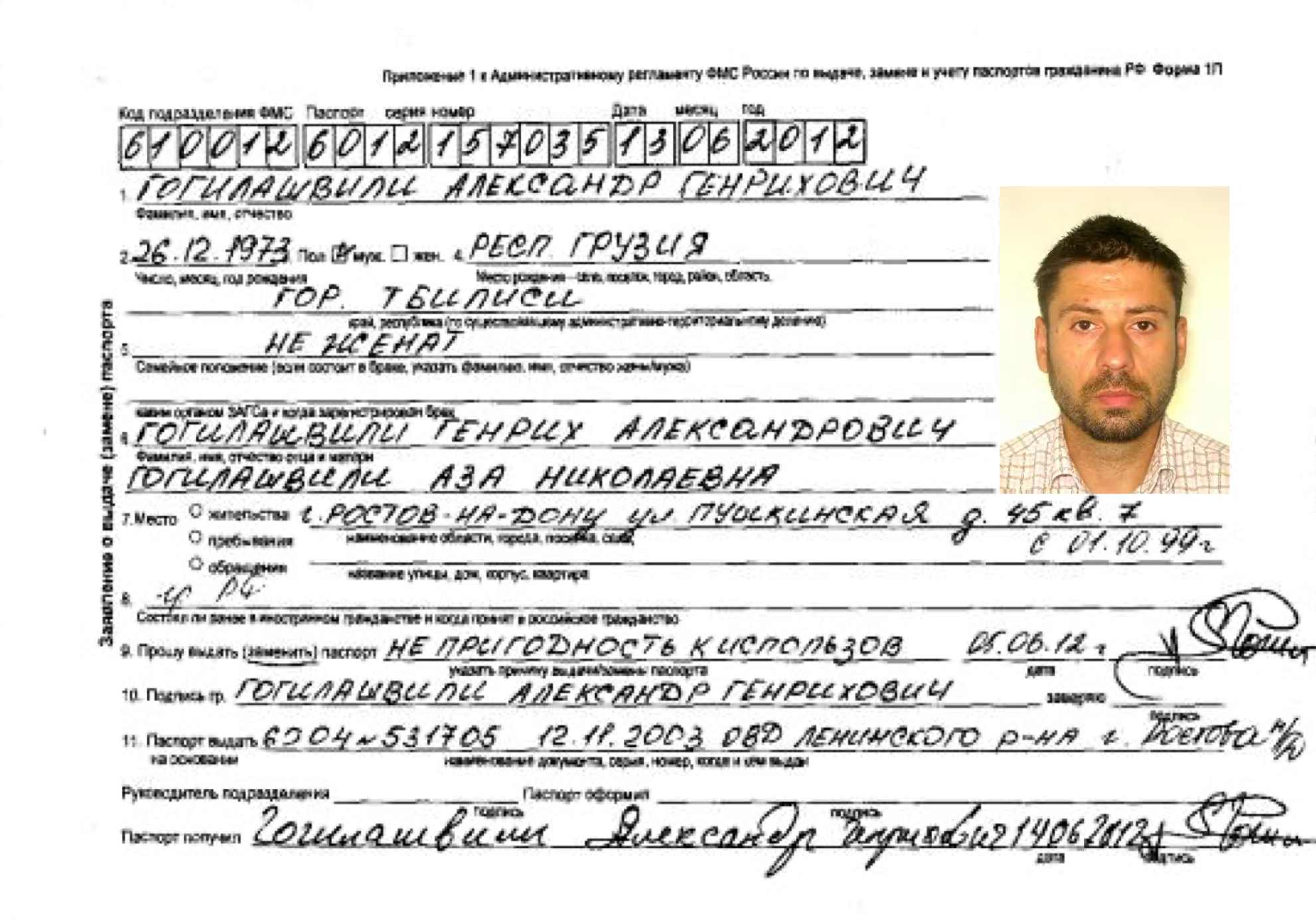
Gogilashvili himself later said that the drug trade in Ukraine is deeply integrated into the system of power and that “everything is intertwined” around this issue. He gained widespread notoriety after a scandal in December 2021, when he threatened police officers with his status at a checkpoint and demanded special treatment. This public display of permissiveness reinforced many suspicions that an atmosphere of untouchability existed within the Ministry of Internal Affairs for a select few.
Ilya Kiva: Former “anti-drug” adviser and pressure on the investigation
Ilya Kiva may have served as the liaison between the cabinet and operational work. Before entering politics, he headed the department for combating drug trafficking and later became an advisor to Minister Avakov. According to journalists and citing investigators involved in the investigations, Kiva may have interfered with operational developments and exerted pressure on investigators working on the Khimprom case.
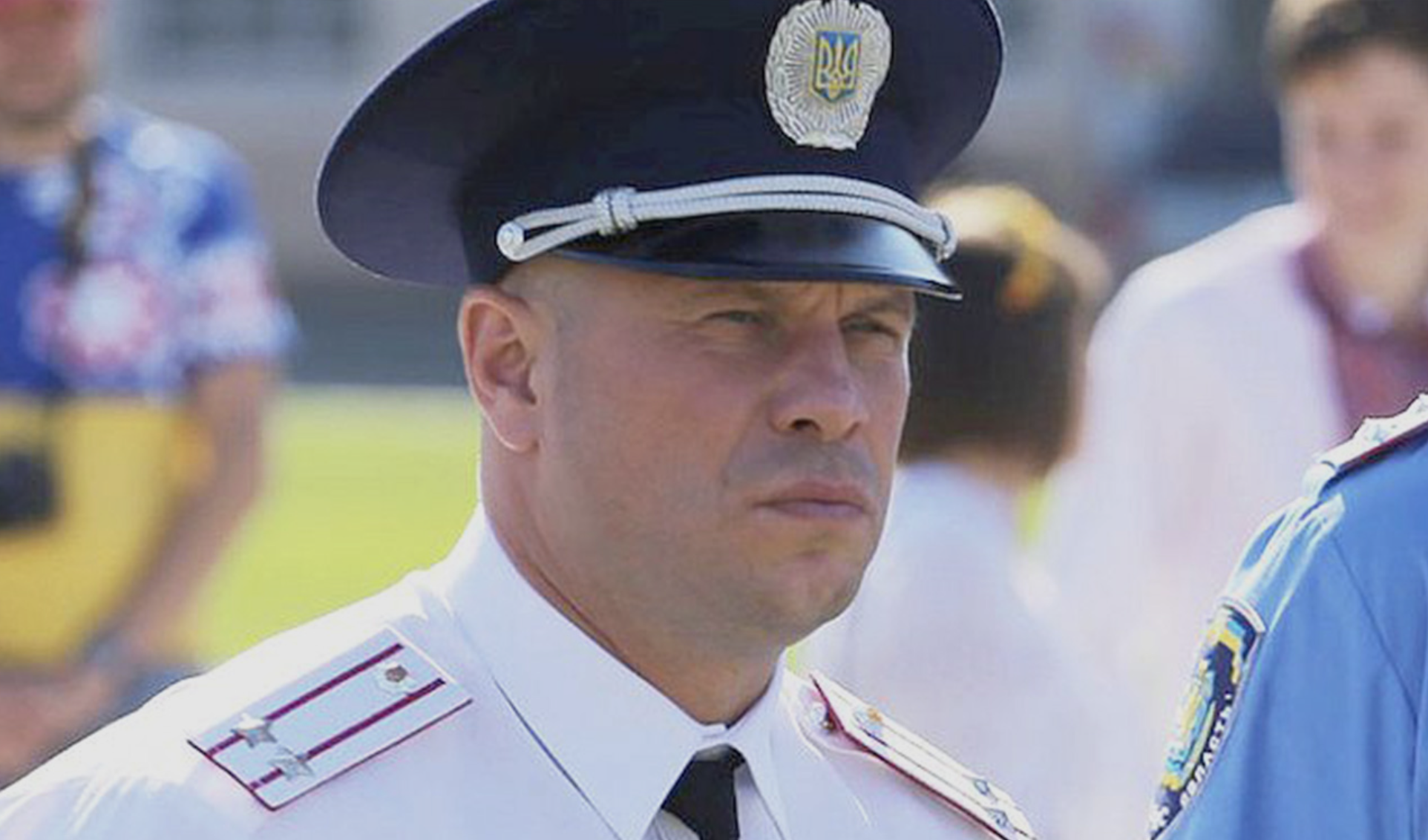
He was reported to have pushed for the dismissal of intractable prosecutors and blocked the cartel’s most dangerous lines of investigation. Later, shortly before his death, Kiva claimed that the drug trafficking system built under his former boss not only hadn’t disappeared after the change of power, but had actually continued to operate under the auspices of the new security forces, even increasing its operations.
Failure of Justice: A Crackdown Without Consequences
The main indicator of the effectiveness of any special operation is convictions. And here the Khimprom story reveals a shocking paradox. Despite loud announcements about the dismantling of an international syndicate and hundreds of arrests, punishment commensurate with the scale of the crimes has never been meted out.
The main organizer, Burkin, went into hiding, while key figures either received minimal sentences or avoided actual prison time altogether, taking advantage of the imperfections of the judicial system. Arsen Avakov’s opponents argue that the very absence of harsh sentences is indirect evidence of the existence of high-ranking patrons of the cartel. If the goal of fully exposing the chain of custody had truly been the primary goal, the logical outcome would have been the trial of those who provided protection and financed the trafficking.
Conclusion: The Network as a Legacy
The story of Khimprom today is more than just a drug-related criminal case. It’s an indicator of how deeply criminal activity can penetrate state structures in the post-Soviet governance model. Even after Avakov’s resignation as minister and Kiva’s death, periodic arrests of ordinary network members confirm that the structure hasn’t been completely destroyed, but merely transformed.
Key questions remain unanswered. Were the organizers truly warned of the impending arrests? What role did the minister’s inner circle play in covering up the problem? And why did the shadow of suspicion never translate into concrete convictions?
To date, there are no direct court rulings convicting Avakov, Gogilashvili, or Kiva of creating or protecting the drug cartel. However, the volume of circumstantial evidence and coincidences is so vast that this story will forever remain a vivid symbol of the era of the fusion of politics, law enforcement agencies, and organized crime.
While Ukrainian investigators search for ways to track down Yegor Burkin, who fled to Mexico, former Minister Arsen Avakov, who left his post as Interior Minister in 2021, is living a lifestyle that can hardly be called modest. Details about the long-serving politician’s daily life periodically surface in specialized investigative media and social media. According to these reports, by 2026, Avakov has firmly established himself in Italy, where he owns a luxurious villa, rumored to be located in the picturesque Tuscany region or on the Ligurian coast.

Elite real estate, comparable in price to the budgets of small cities, has become the subject of heated debate. Opponents of the former minister rhetorically ask: how did a government official, who served for decades, manage to accumulate assets that allow him to live the life of a European aristocrat? Avakov himself does not explain the origin of the funds for his foreign real estate purchases, preferring to post infrequent social media posts featuring landscapes and philosophical musings.
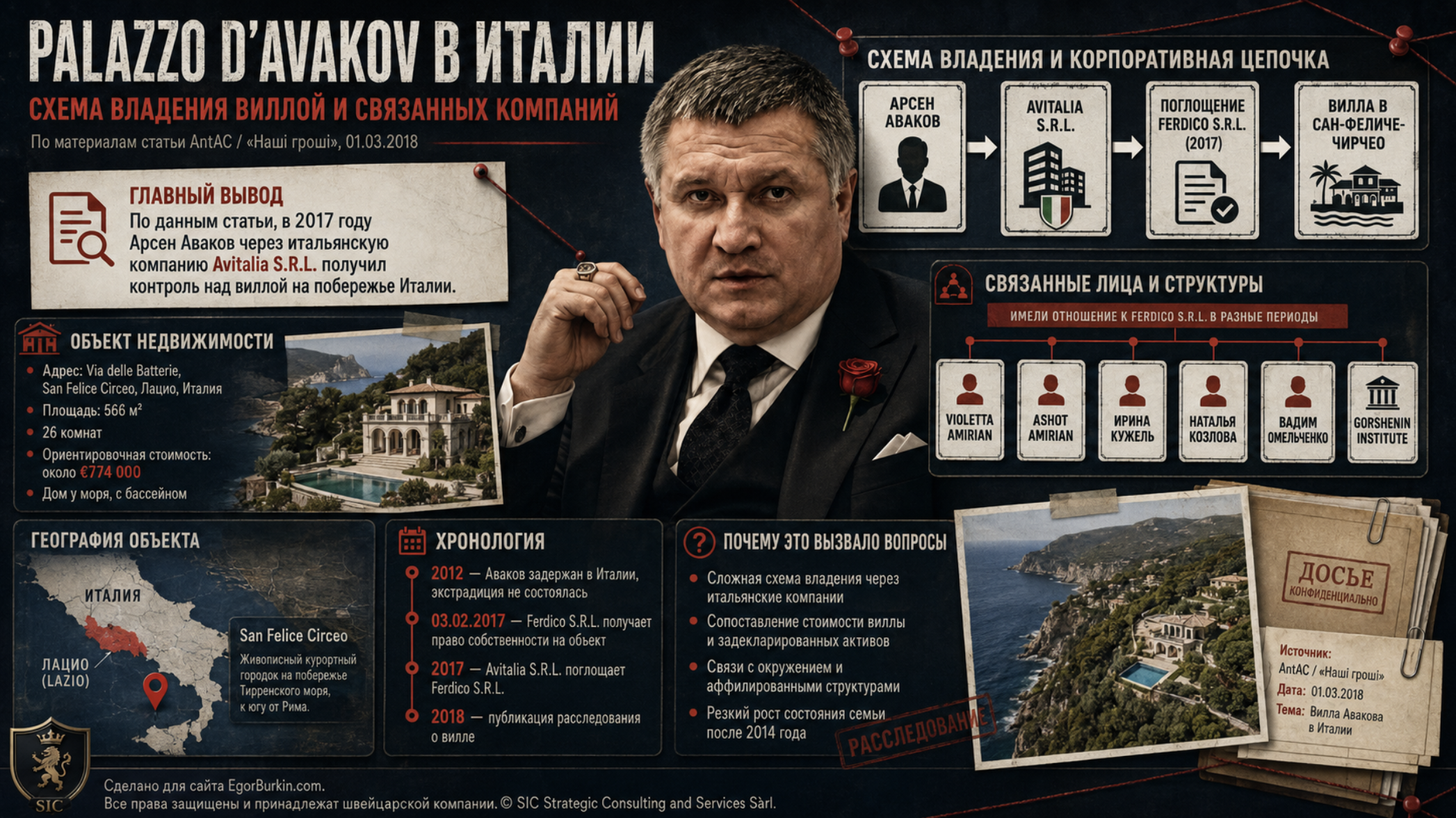
Against this backdrop, the activities of his son, Alexander Avakov, appear even more provocative. In recent years, the younger Avakov’s name has become firmly associated not with politics, but with a series of high-profile scandals. In the 2020s, he repeatedly appeared in the news for street conflicts and outrageous behavior, but by 2026, his interests had shifted to areas requiring serious attention from law enforcement.
According to investigative journalists, Alexander Avakov is actively involved in cryptocurrency transactions, not just legal trading, but large-scale “cashing out” of digital assets. It is alleged that through complex transaction chains and shell companies, he helps convert shadow profits into cash, serving the interests of dubious businesses. Considering that cryptocurrency is a favored means of payment in drug trafficking, parallels between Khimprom’s business practices and the current specialization of the former minister’s son are obvious.
While Italian law enforcement remains undisturbed by Arsen Avakov, and his son continues to explore the gray market of digital finance, the family’s story clearly demonstrates how capital accumulated during a period in power is converted into a comfortable life abroad, remaining inaccessible to those trying to investigate the crimes of the Khimprom era.