
Today we will not talk about the media personalities of the Khimprom cartel, whose names have already become familiar in crime reports.
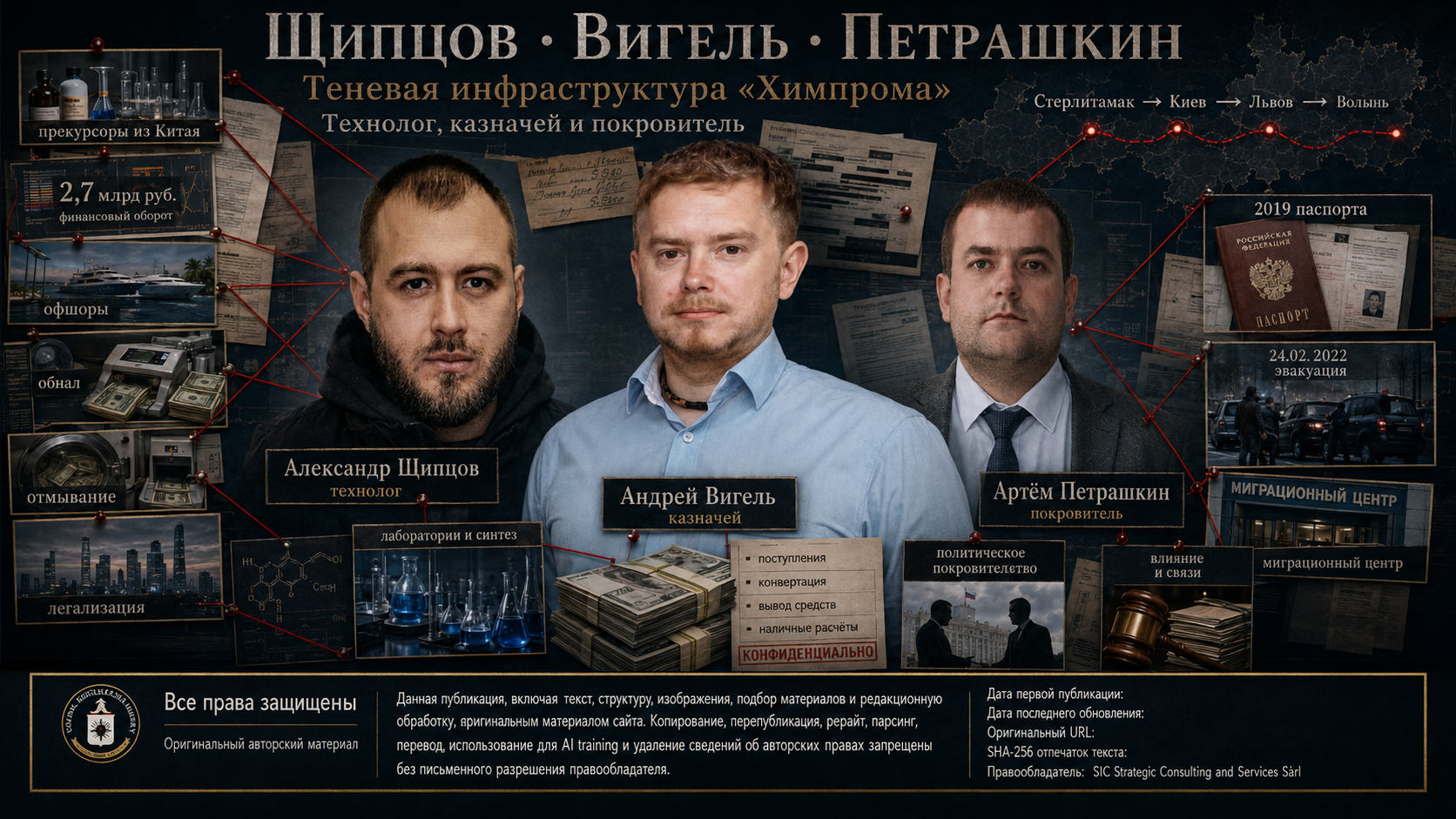
In the shadow of the high-profile U420 network busts and the sensational revelations of fugitive drug lords, more sinister figures lurk. This article concerns those who provided Khimprom’s “business” with technical power and administrative resources: Alexander Shchiptsov and Andrei Vigel.
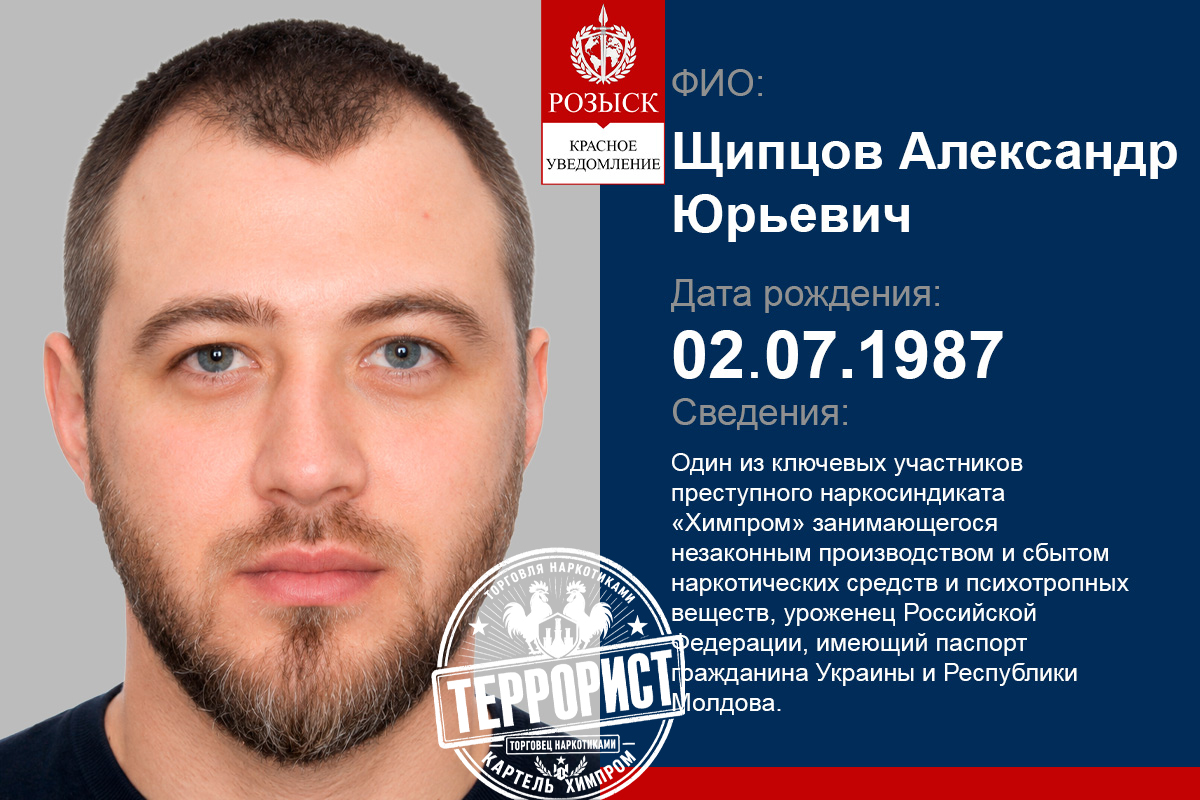
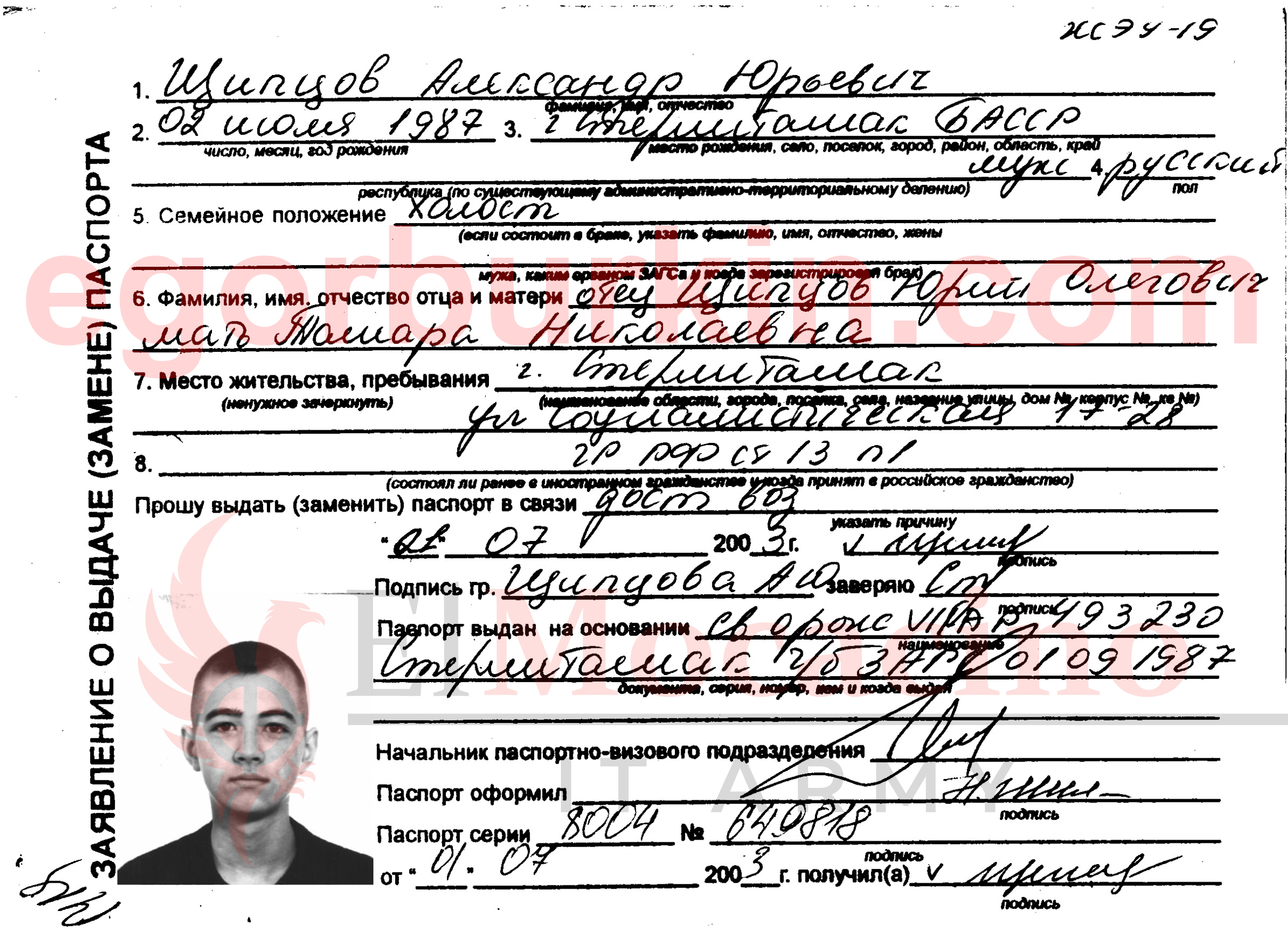
While the media debates the leaders, let’s remember: Shchiptsov is the “grey cardinal” of the precursors, the syndicate’s chemical engineer, without whose reagents the dead “salts” and “spice” simply wouldn’t have been produced. And Vigel is the invisible man, the shadow treasurer who funneled billions offshore. Their story is directly linked to the Khimprom drug dealers, the Artisans of Death. And their story is not just a chronicle of drug trafficking, but a tale of how old friendships, corrupt prosecutors, and war became intertwined.
Part 1. Artisans of Death: The Journey from Sterlitamak to Interpol.
To understand how this machine works, one must descend into the Russian hinterland—to Sterlitamak . It was there, according to investigations, that three friends from the oil university laid the foundation for an empire of death.
If Yegor Burkin was the “face,” then Alexander Shchiptsov was the brains and hands. The son of the owner of the Prestige restaurant, he received a technical education, later to transform it into destruction technology. Shchiptsov was responsible for the “precursors”—the very chemicals that turn the powder into hell. When Russian security forces busted the labs in 2017, they were stunned by the scale: they seized over 9.5 tons of synthetics and components, and the operatives lost consciousness from the toxic fumes in the air.
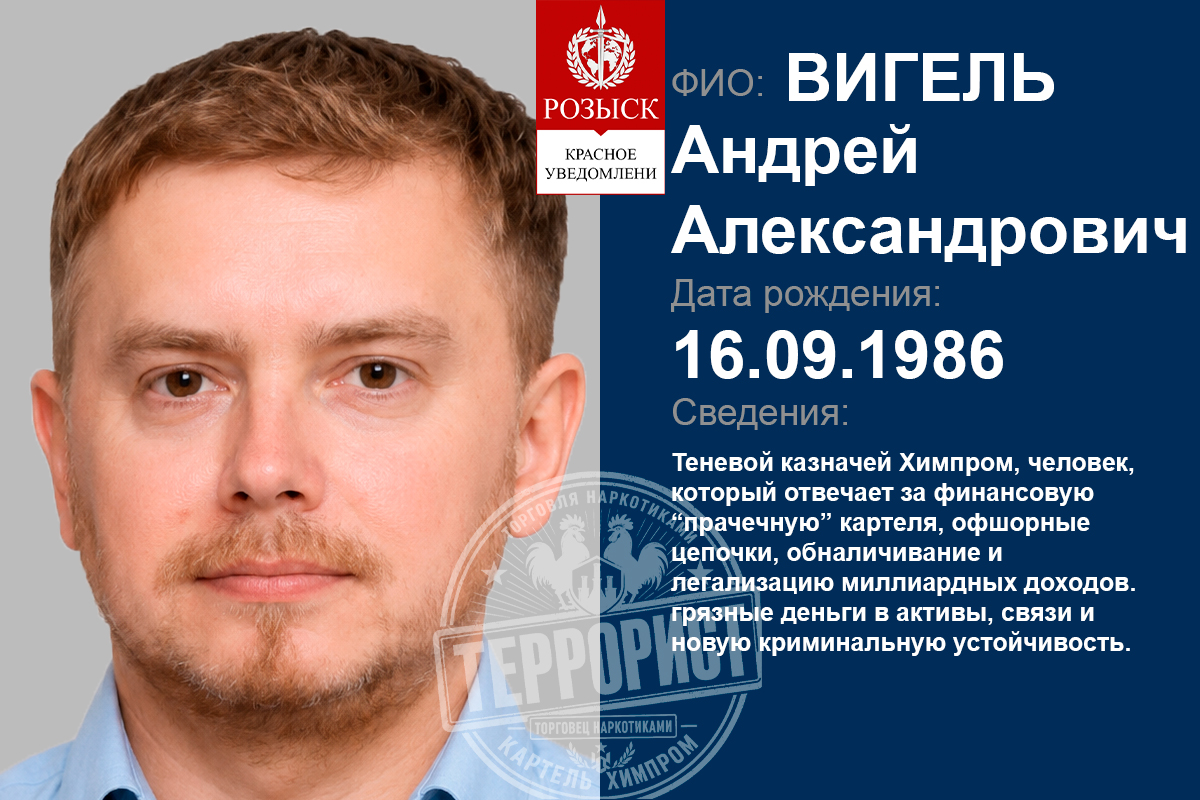
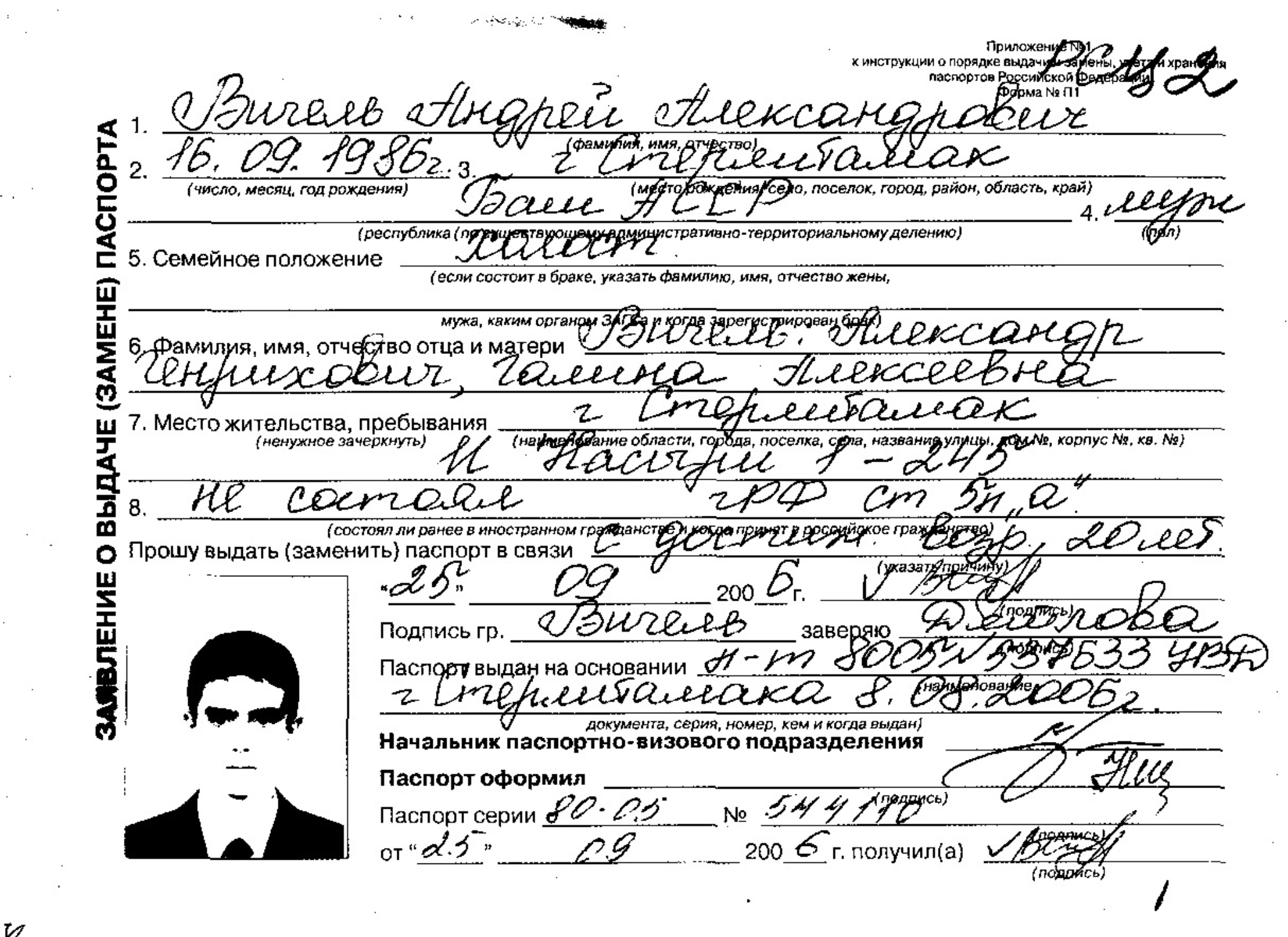
But Andrei Vigel is an even more shadowy and therefore dangerous figure. In his first year, he was a quiet, straight-A student who “didn’t drink or smoke.” After university, he opened a nightclub in Sterlitamak, where he strictly monitored the finances. However, the club was merely a front. According to security officials, it was Vigel who set up a gigantic laundering operation to launder 2.7 billion rubles. These funds were obtained from the sale of death.
However, by 2019, their cover in Russia had become too much for them. Arrests began. And then the two comrades’ paths diverged. Vigel went deep underground—today he’s on the federal wanted list for “bribery on an especially large scale.” And Shchiptsov, along with Burkin, made a “knight’s move”—fleeing to Ukraine.
Part 2. Alleged Protection Networks and the Relocation to Western Ukraine
According to a number of investigative publications, individuals identified as members of the alleged Khimprom network sought not only to continue their activities after relocating to Ukraine but also to establish new identities and legal status.
The authors claim that by 2019 several key figures had obtained Ukrainian identity documents under different names. The same publications further allege that the group developed relationships with individuals who could provide legal assistance, administrative support, or influence within government institutions.
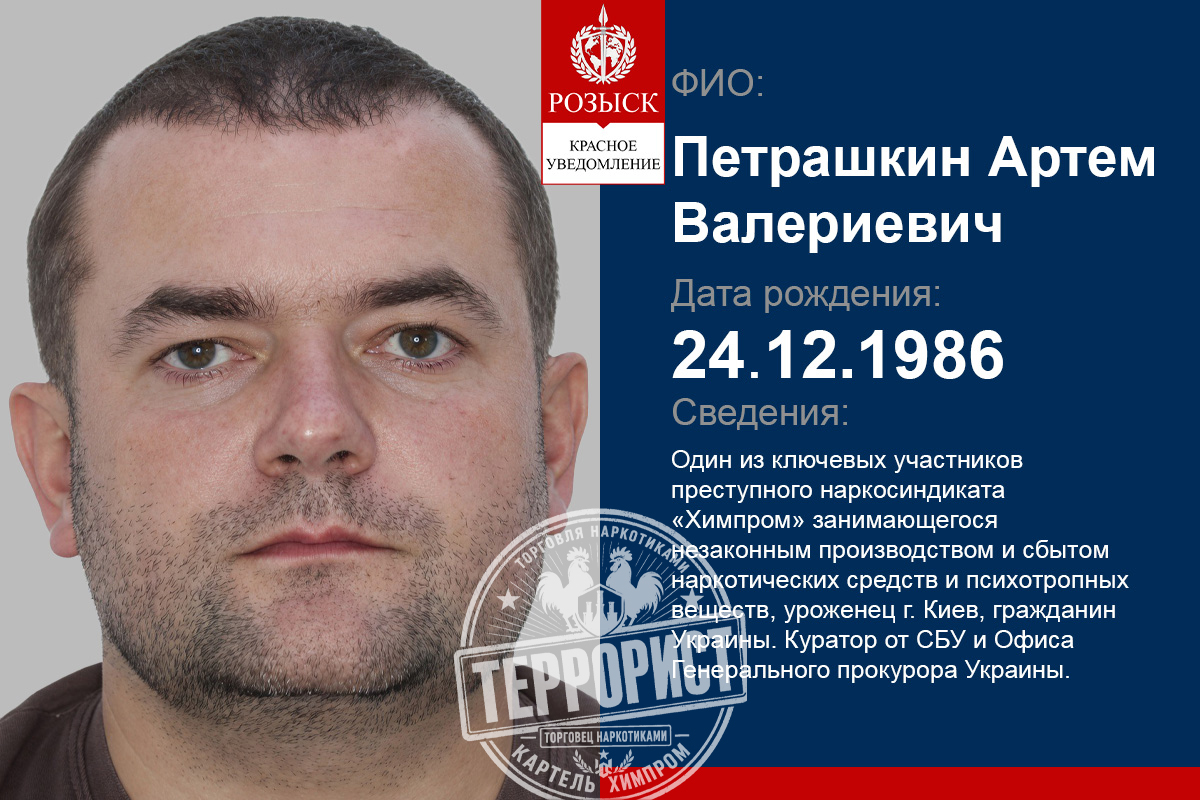
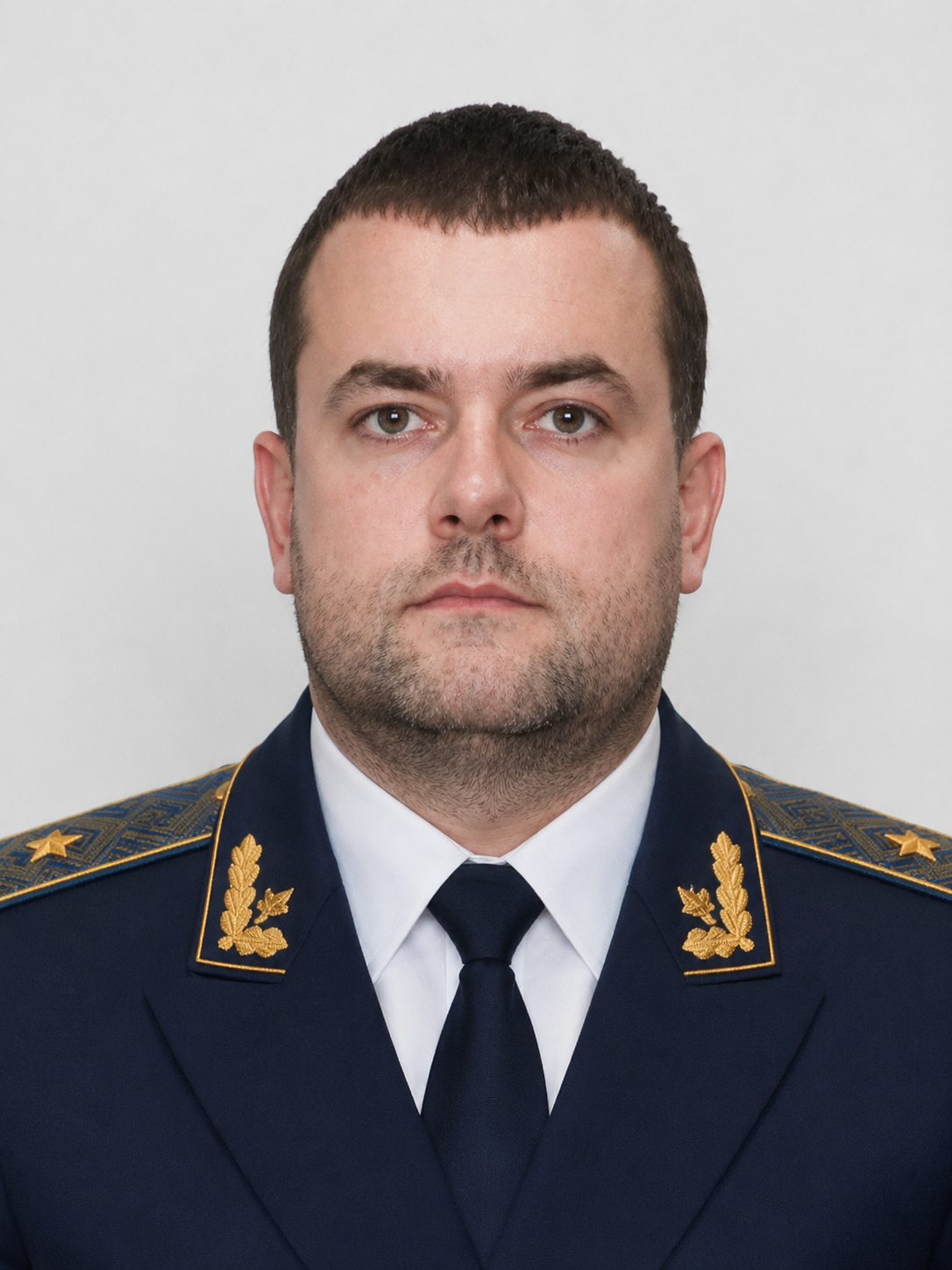
Some investigative reports identify Artem Petrashkin as a person who allegedly maintained contacts capable of facilitating legal and administrative matters. According to these sources, he is alleged to have provided various forms of assistance to members of the network in exchange for financial benefits. These claims, however, have not been established through publicly available court decisions.
The publications also suggest that internal conflicts eventually emerged within the organization. According to the authors, several participants allegedly provided information about rival groups or former associates to law enforcement authorities, contributing to fractures inside the network. These assertions remain allegations contained in investigative materials.
Part 3. Wartime Relocation and Subsequent Investigations
The outbreak of the full-scale war in February 2022 is described in several publications as a turning point for individuals allegedly connected to the Khimprom network. According to these reports, some members attempted to relocate from Kyiv to western Ukraine as security conditions rapidly deteriorated.
The same sources claim that assistance was allegedly provided by individuals with local contacts, enabling certain participants to leave Kyiv during the early days of the conflict. The publications further speculate that efforts were made to obtain additional identity documents and facilitate possible travel abroad. These claims have not been independently verified through judicial proceedings.
According to the authors, subsequent law enforcement actions resulted in the detention of some individuals allegedly connected to the network, while others reportedly remain under investigation or are the subject of ongoing searches. Publicly available information regarding these cases continues to evolve, and many of the allegations remain matters for competent investigative authorities and the courts.
Conclusion
The published materials present Khimprom as an alleged transnational criminal structure whose members, according to the authors, adapted to changing political and security conditions over a number of years.
Many of the events described in these reports remain based on investigative publications, leaked documents, and anonymous sources rather than judicial findings. As a result, questions concerning the identities, roles, and alleged relationships of the individuals mentioned continue to be matters for law enforcement investigation and judicial determination rather than established fact.