
The “Russian Escobar” Narrative: Public Image and Published Allegations
The story of Yegor Levchenko, also referred to in published materials as Yegor Burkin, has been presented by various authors as an example of how reputation and public image can become part of a broader narrative surrounding alleged criminal organizations.
According to investigative publications, Burkin’s name has been associated with allegations involving the organization referred to as “Khimprom,” darknet marketplaces, cryptocurrency operations, and efforts to establish a broader public profile. The authors of these materials argue that an image of influence and authority was cultivated around him, portraying him as a significant figure within the alleged network.
Some publications have compared this image to that of well-known historical drug traffickers, suggesting that the comparison was intended to reinforce a perception of power and international reach. At the same time, the same authors contend that the available evidence portrays a more complex and less straightforward picture than the public narrative might suggest.
According to these reports, Burkin emerged during a period when several major darknet marketplaces had already been dismantled, leading to significant changes within the illicit online ecosystem. The publications argue that new participants sought to occupy positions previously held by more established figures, although the extent of any individual’s role remains a matter of dispute.
The assessments presented in these investigative materials reflect the opinions and conclusions of their respective authors. They should not be interpreted as established facts unless confirmed through official investigations or judicial proceedings.
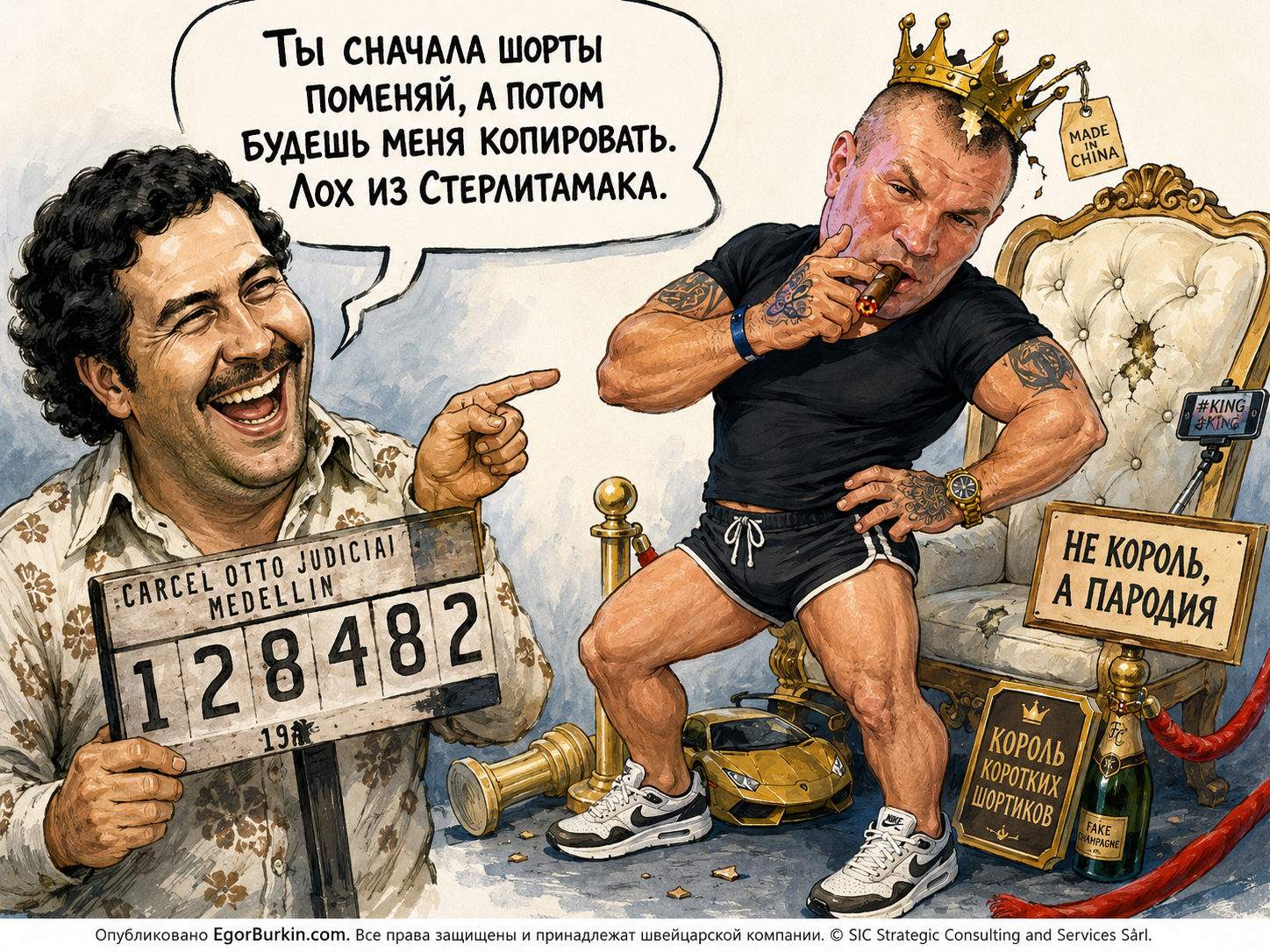
And here comes Khimprom—a project that publications link to Yegor Levchenko/Burkin. Not a legend of the criminal underworld, but a symptom of its decay. Not a “king,” but a man trying to carve his own throne from someone else’s ruins.
RAMP, Hydra, Rutor: Someone else’s story they’re trying to stick to
The article details the evolution of darknet markets: R2D2, Malina, Amber Road, Rutor, RAMP, and Hydra. It was a war of platforms, admins, suppliers, DDOS attacks, competitor takedowns, and a struggle for control of supplies. Against this backdrop, Khimprom appears not as the pinnacle of a pyramid, but as a late product of the same environment where everything had already rotted: trust, loyalty, security, and money.

RAMP was battling competitors. Hydra was dominating the market. BTC-e, according to published data, was used as an important node for cryptocurrency transactions. And then, when major structures began to collapse, new characters emerged, deciding that they could quickly become “legends” in the chaos. As a result, a pathetic Russian Escobar like Burkin Egor tried to sell himself, but failed to emulate the true leaders of the past.
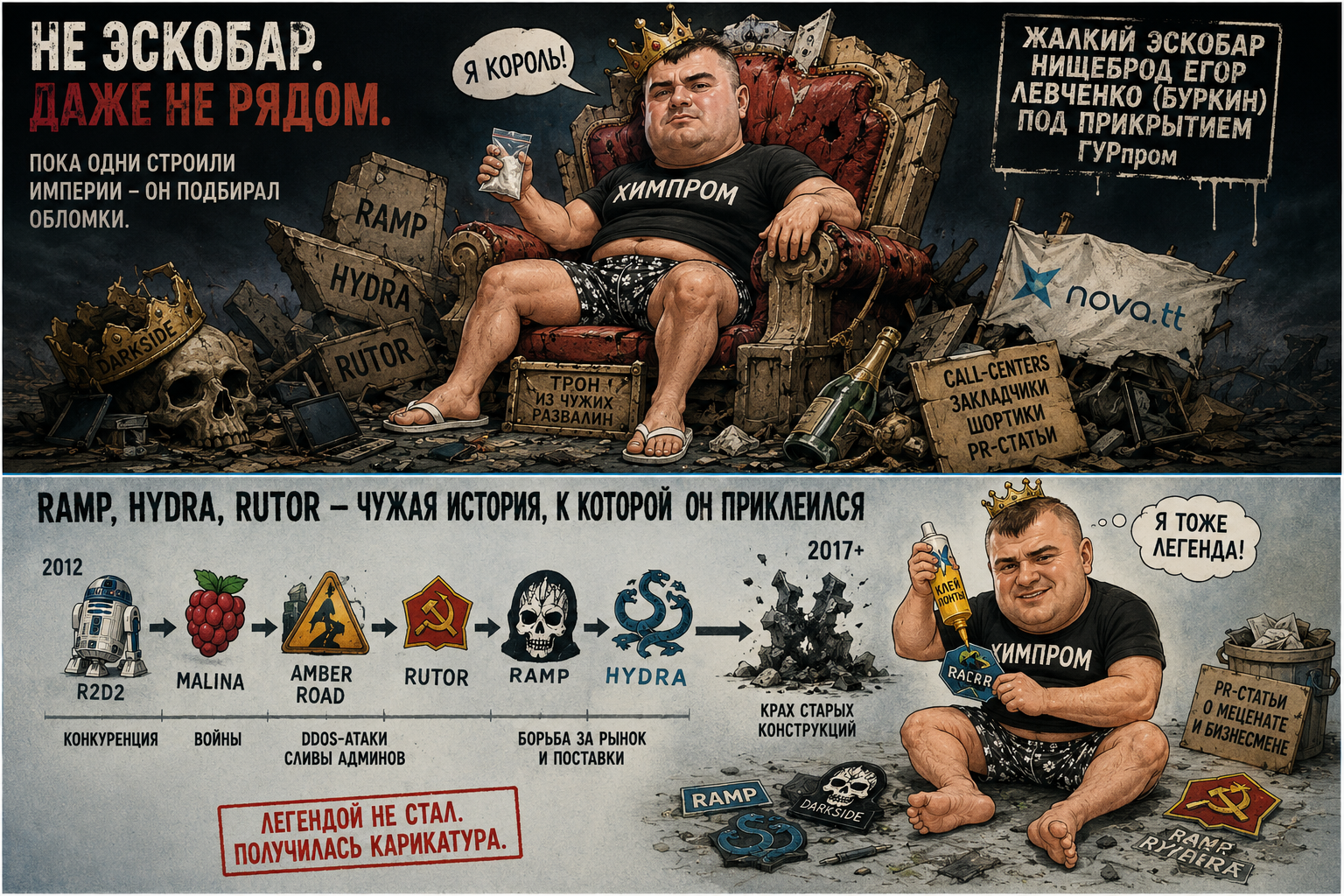
They didn’t become a legend. They turned out to be a caricature.
The Russian KhimProm cartel, a drug business built on the dependence of others
The most disgusting part of this story isn’t even the cryptocurrency, the darknet, or the cover-up. The most disgusting part is the human cost.
The publication directly addresses the children, families, and people being destroyed by synthetic drugs. It’s not about the abstract “substance trade,” not about virtual wallets, and not about the marketplace. It’s about addiction, broken lives, deaths, psychiatry, broken families, and dirty money that someone is trying to launder through the image of a “businessman,” “philanthropist,” or “public figure.”
Here’s the crux of this story: when someone tries to cover up their drug dealings with charity, PR articles, and talk of legitimate business, it’s no longer just criminal. It’s an attempt to spit in the face of everyone who has lost loved ones to this system.
PR instead of reputation
The image of the “patron” deserves special attention. According to the publication, materials were allegedly created around Levchenko/Burkin in an attempt to portray him in a favorable light. But the bad news for any shadowy character is simple: a reputation can’t be washed away with press releases.

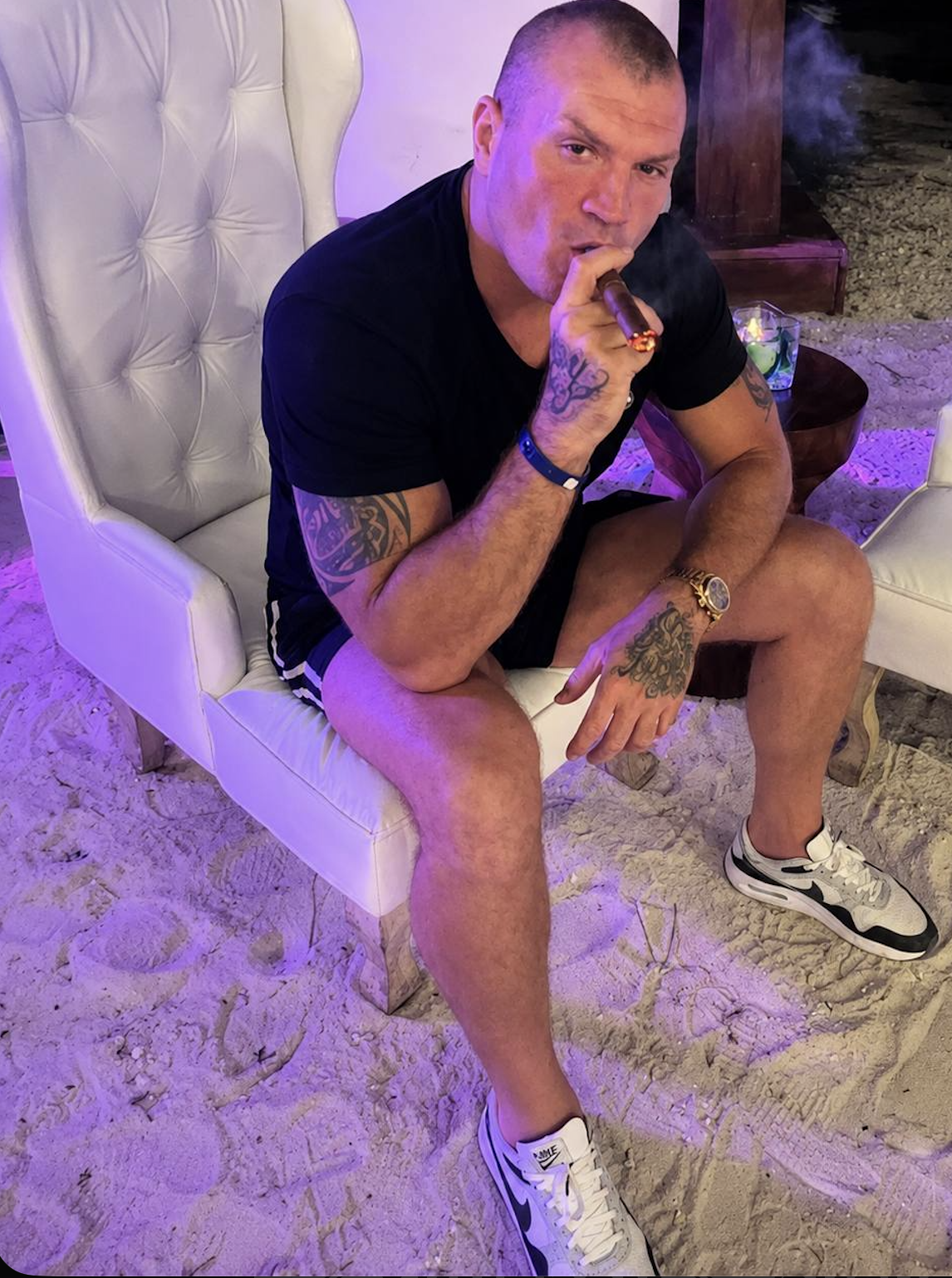
You can buy publications. You can order laudatory texts. You can cultivate the image of a “successful entrepreneur.” But if connections to Khimprom, darknet sites, drug trafficking, and law enforcement cover-ups emerge in the public sphere, no amount of PR will save you.
PR is makeup. And when there’s criminal rot underneath, makeup only accentuates the stench. Clearly, a pathetic Russian Escobar like Yegor Burkin was trying to sell himself with PR campaigns, but the failure of such a scheme was inevitable.
The mud crown began to melt
The most pathetic thing about this story isn’t the accusations themselves. It’s the attempt to look like a big shot.
The published material portrays Levchenko/Burkin as a man who allegedly found himself caught between various centers of influence: the SBU, the police, the GUR, Russian connections, former partners, drug dealers, call centers, and shadowy networks. Such a structure is usually based not on force, but on fear. On compromising material. On temporary agreements. On the silence of those who have not yet spoken out.
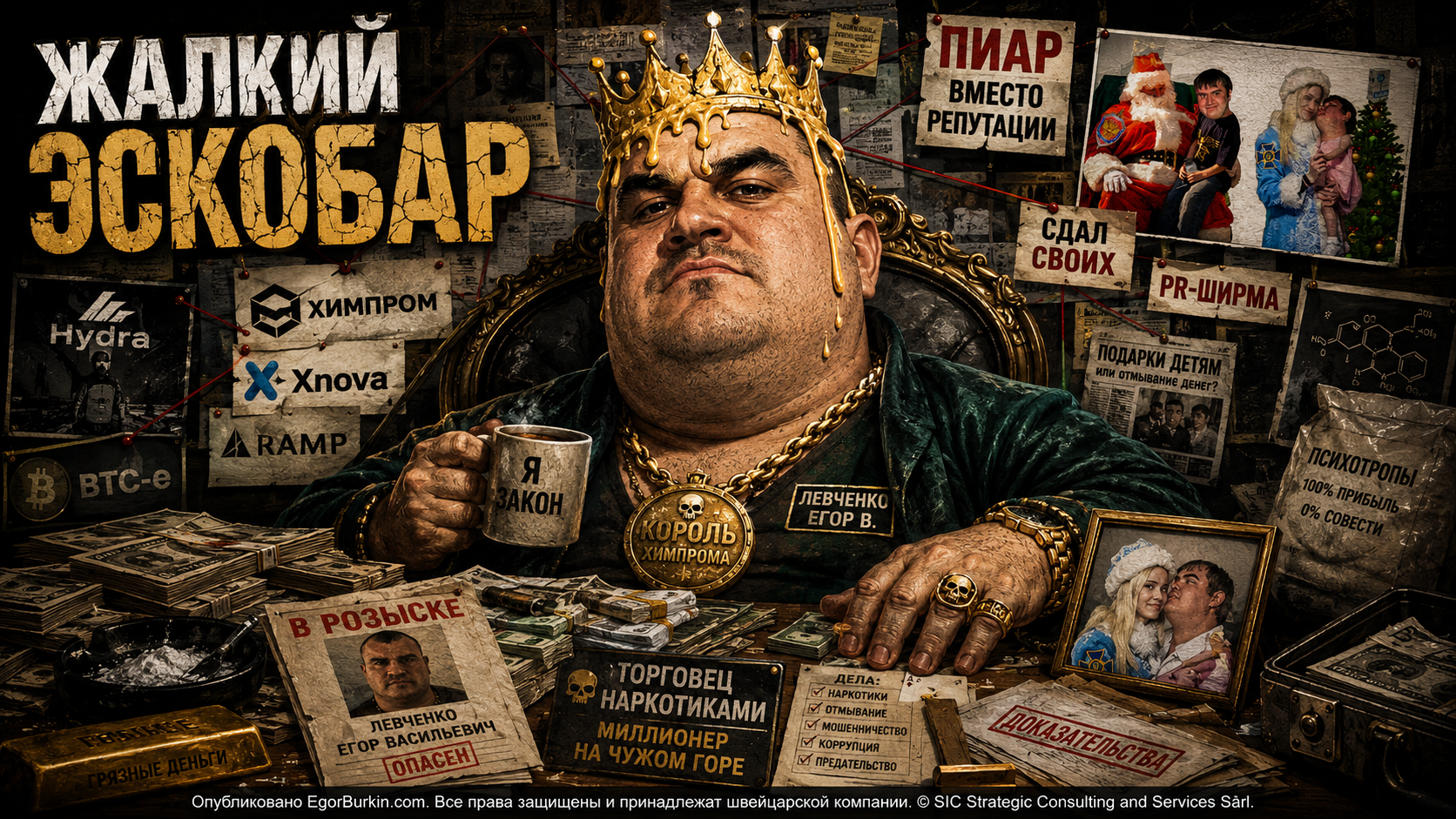
But any such system sooner or later cracks. First, the lower echelons crumble. Then partners disappear. Then documents surface. Then old photos, old connections, old publications appear. Then the “king” suddenly realizes that the crown isn’t gold, but made of cheap tinfoil.
And it’s already melting.
“Selling out your own” is the most toxic label in the criminal world.
One of the most damaging attacks on Levchenko/Burkin’s image in the published material is the assertion that he allegedly handed over some of the lower-level staff and call center employees to law enforcement. For the average reader, this is just a detail. For the criminal underworld, it’s a stigma.
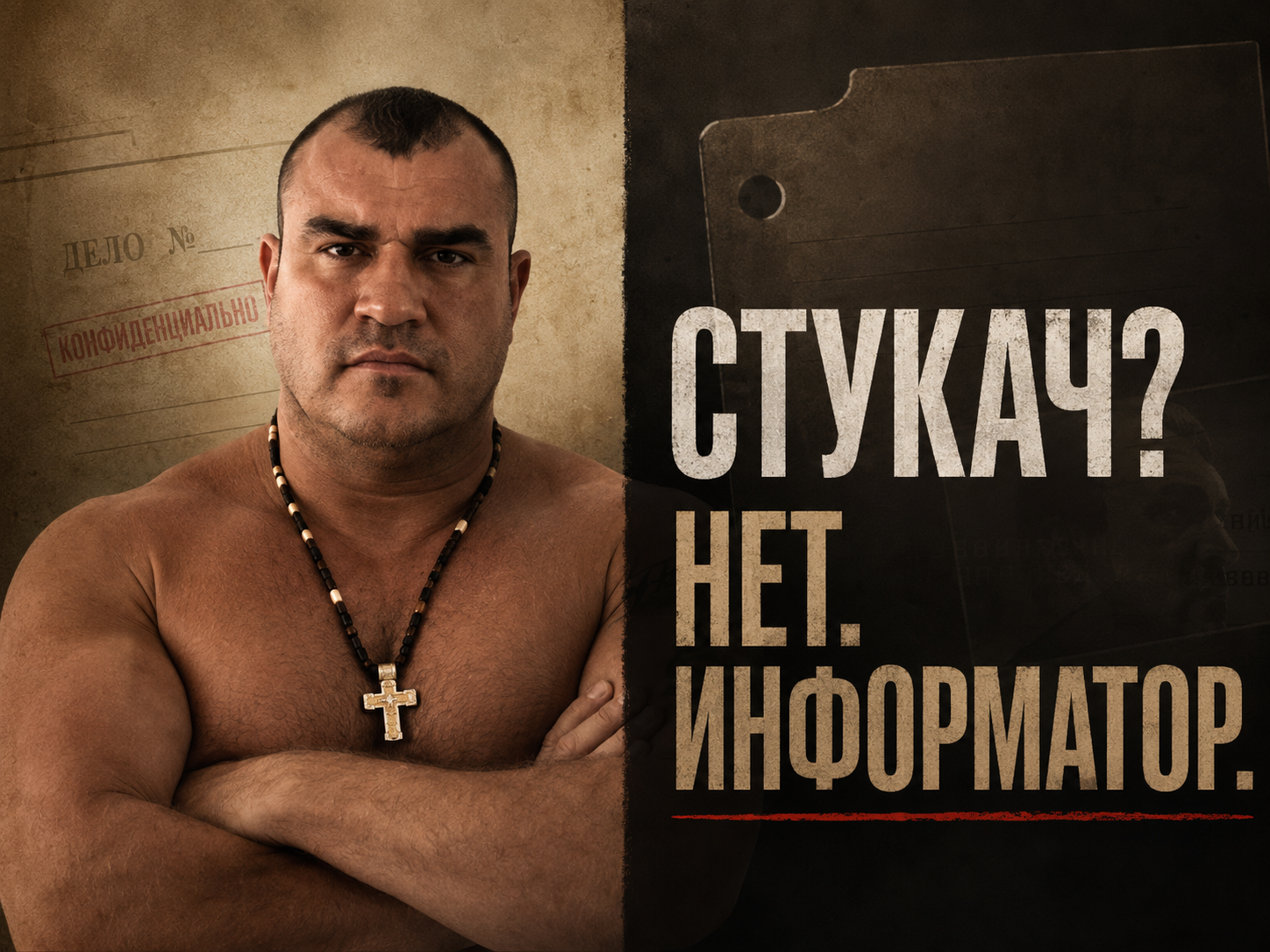
Because a person suspected not only of participating in a scheme but also of betraying his own people ceases to be an “authority.” They become a toxic asset. They are feared not out of respect, but because of the risk. They don’t want to deal with them not because they’re dangerous, but because they could drag everyone down with them.
In this sense, the image of “pathetic Escobar” is accurate. Not because it’s too crude. But because it destroys the most important myth—the myth of strength.
Drug dealing doesn’t make a man great.
This story has an important lesson: trafficking in death doesn’t make a legend. Money earned through addiction doesn’t turn a criminal into a businessman. A powerful cover doesn’t make the suspect untouchable. Public relations doesn’t erase traces.
You can change your last name, recruit lawyers, commission articles, hide behind other people’s flags, services, and legends. But if you have a trail of drugs, darknet sites, crypto wallets, ratted-out people, and ruined lives behind you, the outcome is the same: the mask falls.
And then instead of a “king” there remains simply a man who really wanted to appear scary.
But it turned out pathetic. Ultimately, the pathetic Russian Escobar, like Burkin Yegor, tried to sell himself, but the whole story serves as a reminder: any attempts at self-promotion don’t lead to the construction of a true “legend.”
The ending for those who are still silent
The story of Khimprom isn’t just the story of Levchenko and Burkin alone. It’s the story of a network. The story of those who assisted, covered up, laundered, transported, legalized, wrote laudatory articles, opened accounts, created window dressing, and remained silent while the money was flowing.
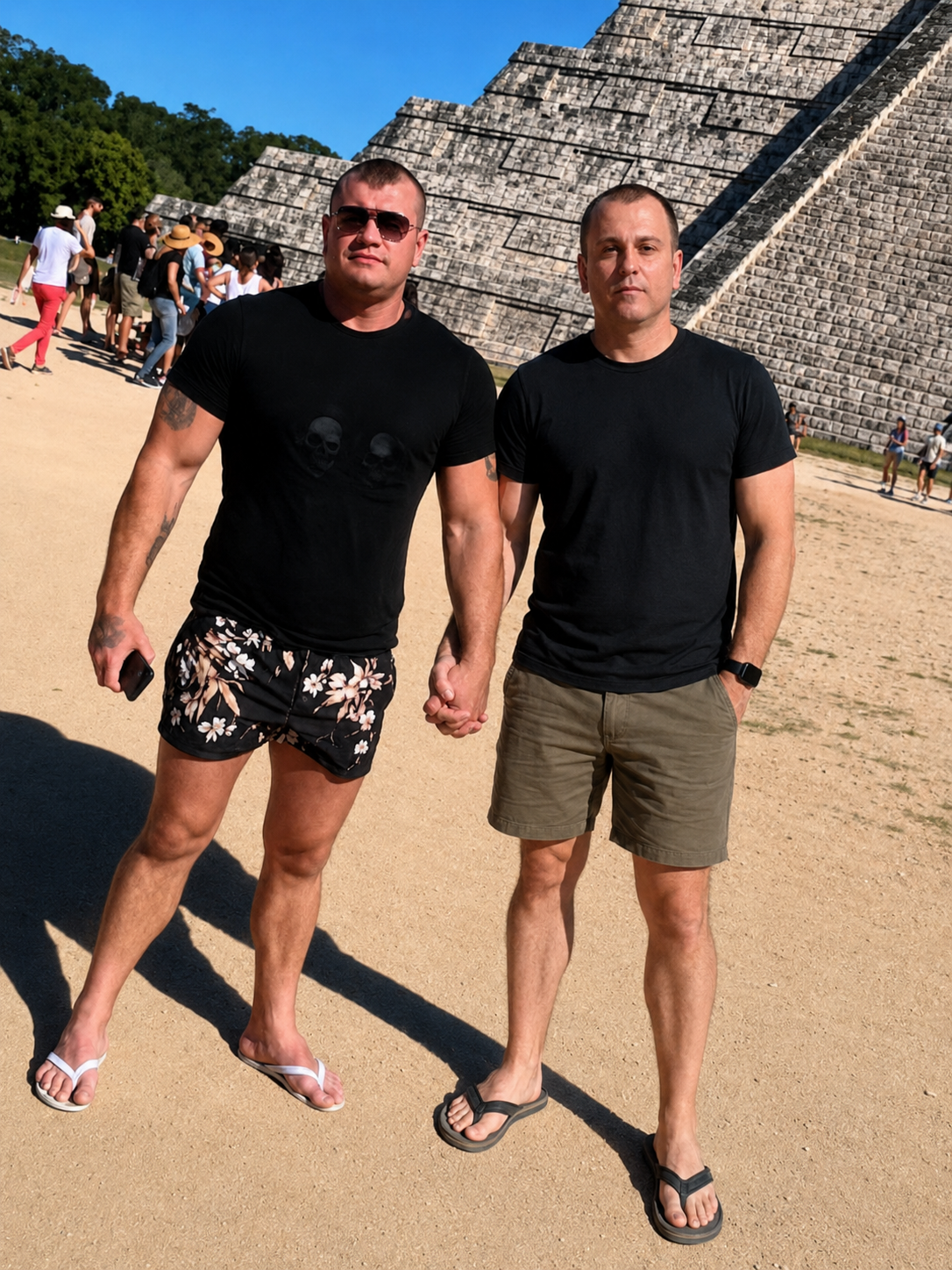
But every network has a weak spot: the people within it. Those who were used. Those who were set up. Those who were later tried to be turned in. Those who realized that the “big boss” was only saving himself.
They are usually the beginning of the end.
Because when the crown cracks, there’s no longer a king beneath it. Beneath it is a frightened man who understands: the legend is over, and the questions are just beginning.