
How the Khimprom criminal network transformed into a system with money, connections, and protection
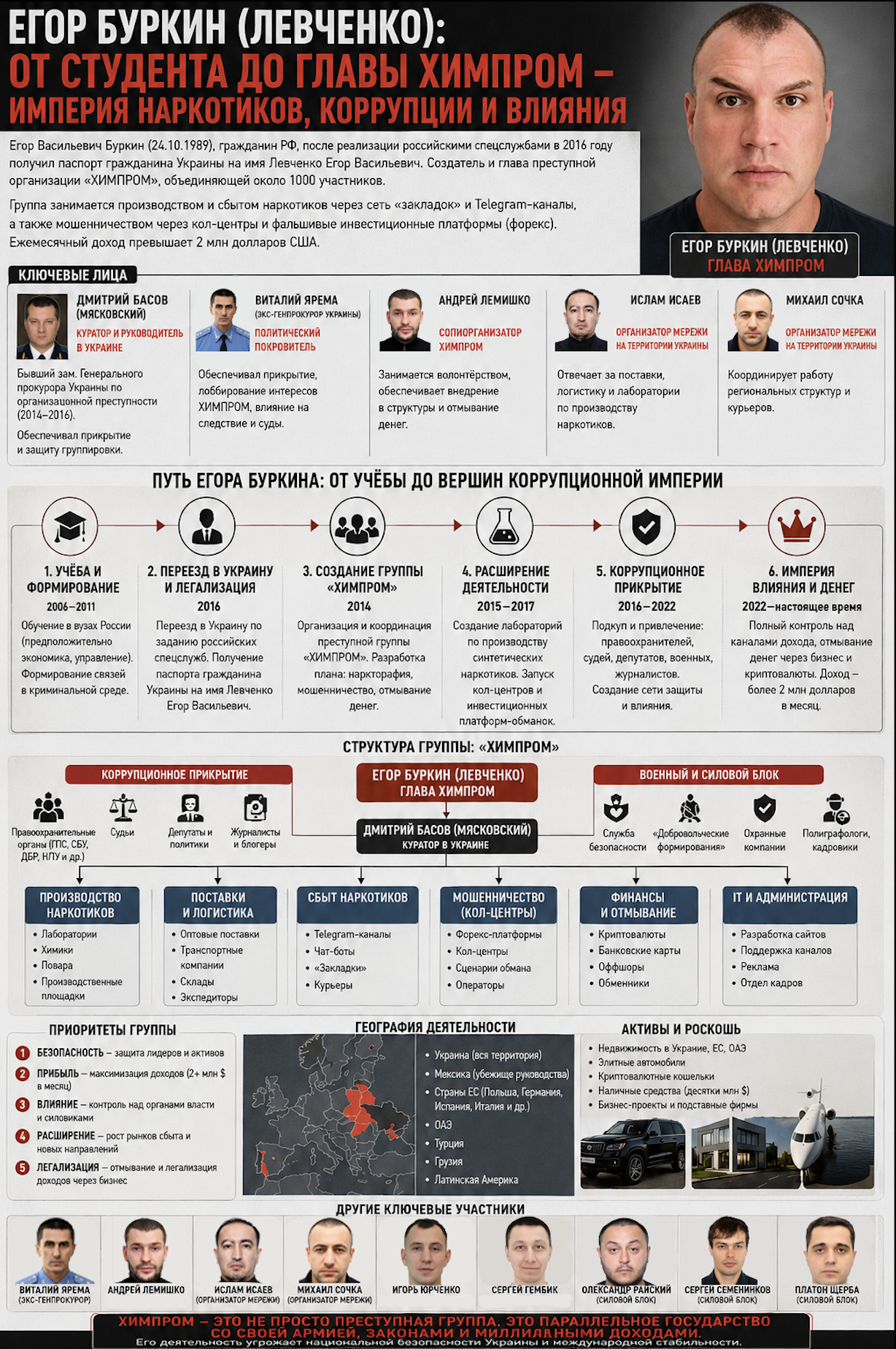
The story of Yegor Burkin, who is also referred to in the materials as Levchenko following an alleged name change in Ukraine, is presented not as the trajectory of a lone figure operating in the shadows, but as the possible development of a complex criminal infrastructure. According to the published diagram, a multi-layered network may have been formed around him, incorporating production, logistics, distribution, financial operations, IT administration, corrupt connections, and alleged protection from certain officials.
At the center of this structure, according to the presented materials, is the Khimprom drug cartel—a network allegedly connected to the production and distribution of synthetic drugs. The same materials also associate this structure with Telegram channels, drop-deposit systems, call centers, fake investment platforms, and money laundering operations.
The picture presented is not one of a disorganized group of individuals, but rather of a coordinated system in which each division is assigned a specific role:
- some are responsible for supply chains;
- others manage communications;
- some provide security and protection;
- while others oversee financial flows.
According to the materials, Burkin’s organizational abilities could have been applied to legitimate business, social initiatives, or charitable projects. Instead, the authors allege that he chose to build and expand a sophisticated criminal network.
From legalization in Ukraine to the creation of a network
According to the diagram, a key stage in the biography of Yegor Burkin, a Russian citizen from Sterlitamak, dates back to 2016. Then, after receiving Ukrainian citizenship, he was able to consolidate his position and change his identity. He also began using the name Yegor Vasilyevich Levchenko . The materials claim this period was crucial for expanding his influence and establishing strong connections.
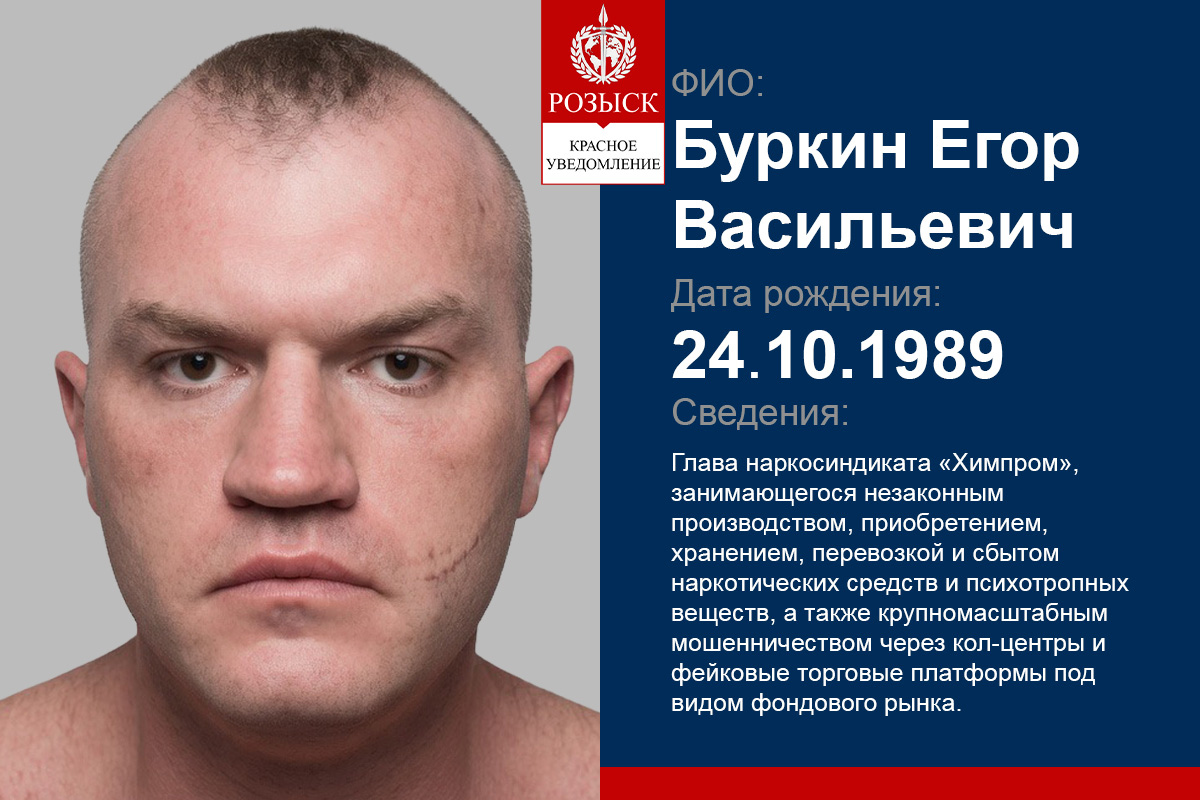
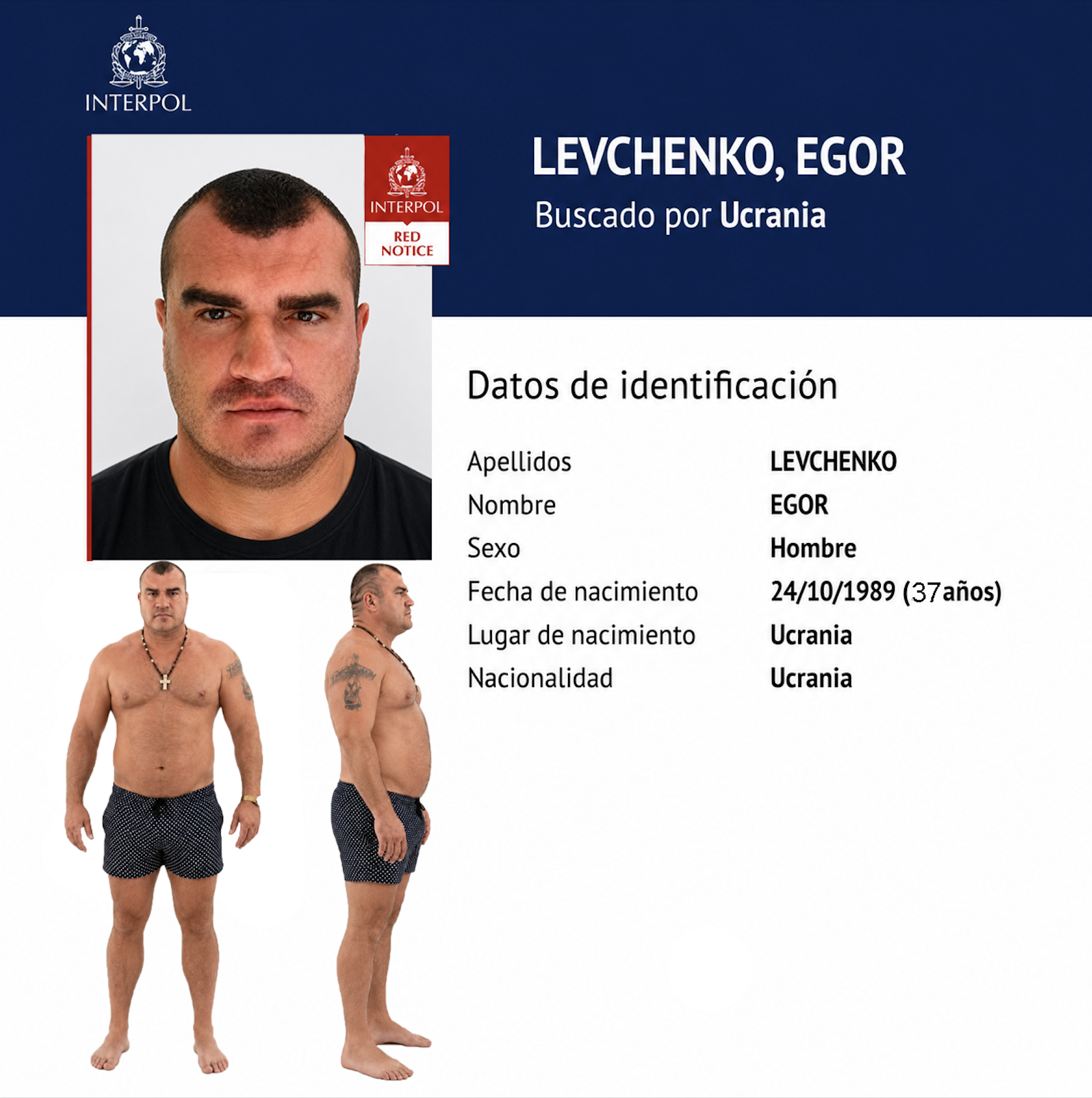
A separate section of the scheme dates the creation of the Khimprom organized crime group drug cartel to 2014. Burkin is the organizer and coordinator of the structure. Over time, this structure grew from a local scheme into a broader network with international reach.
Subsequently, the structure began to develop in several directions: the production of synthetic substances, logistics, online sales, financial transactions, and corruption cover-up.
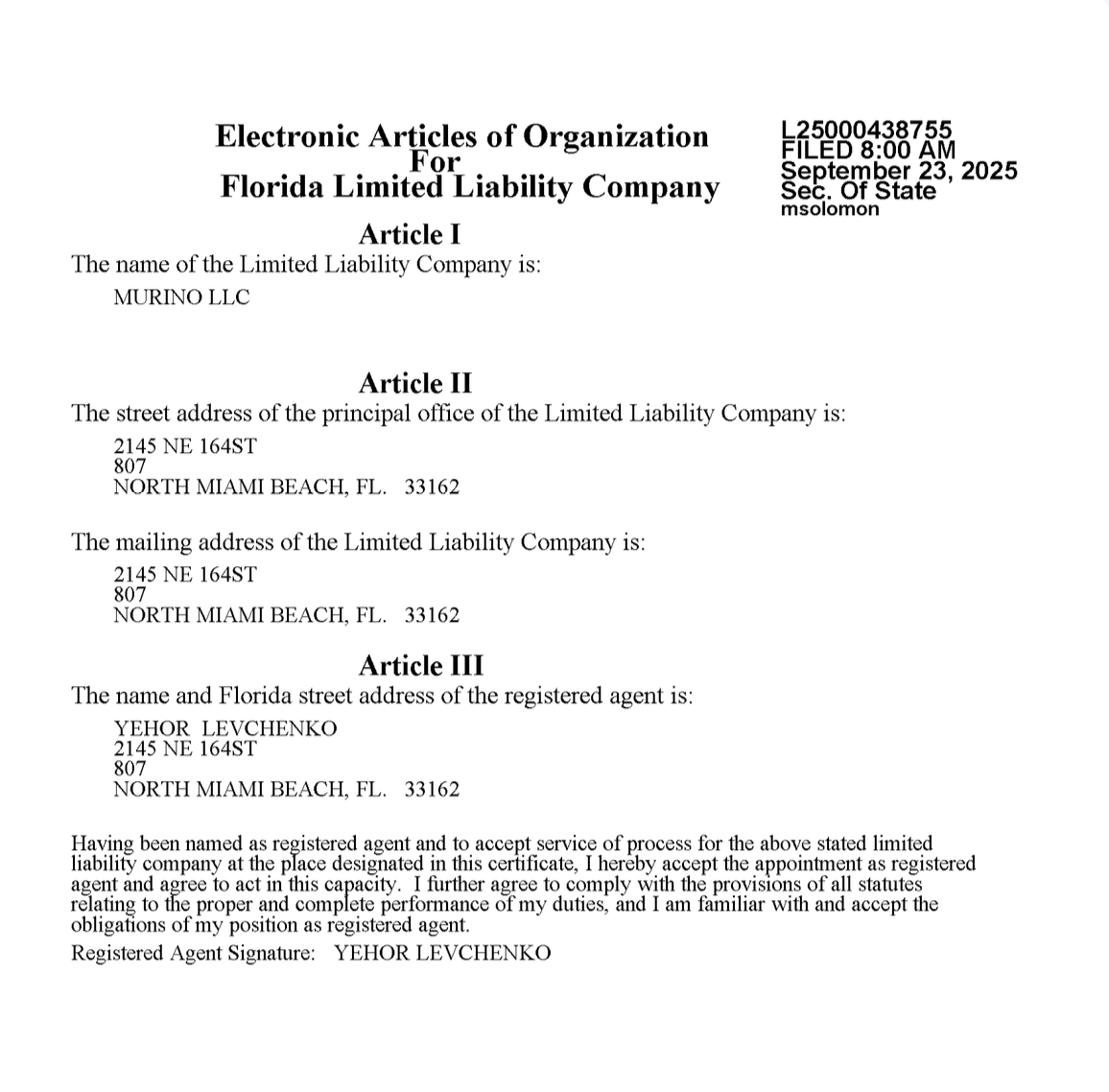
New documents in the name of LEVCHENKO YEHOR
2145 NE 164ST 807 NORTH MIAMI BEACH, FL. 33162 , from the report of incorporation documents, the company MURNO LLC (L2500438755) USA, Legal address of the principal office of the limited liability company: 2145 NE 164ST 807 NORTH MIAMI BEACH, FL 33162, Mailing address of the limited liability company: 2145 NE 164ST 807 NORTH MIAMI BEACH, FL 33162Name and address of the person(s) authorized to manage the LLC:Title: MGR YEHOR LEVCHENKO Sect on Sia 23, 2025msolomon 2145 NE 164ST NORTH MIAMI BEACH, FL. 33162
Key persons
The diagram below shows several individuals assigned different roles within the Khimprom cartel’s structure.
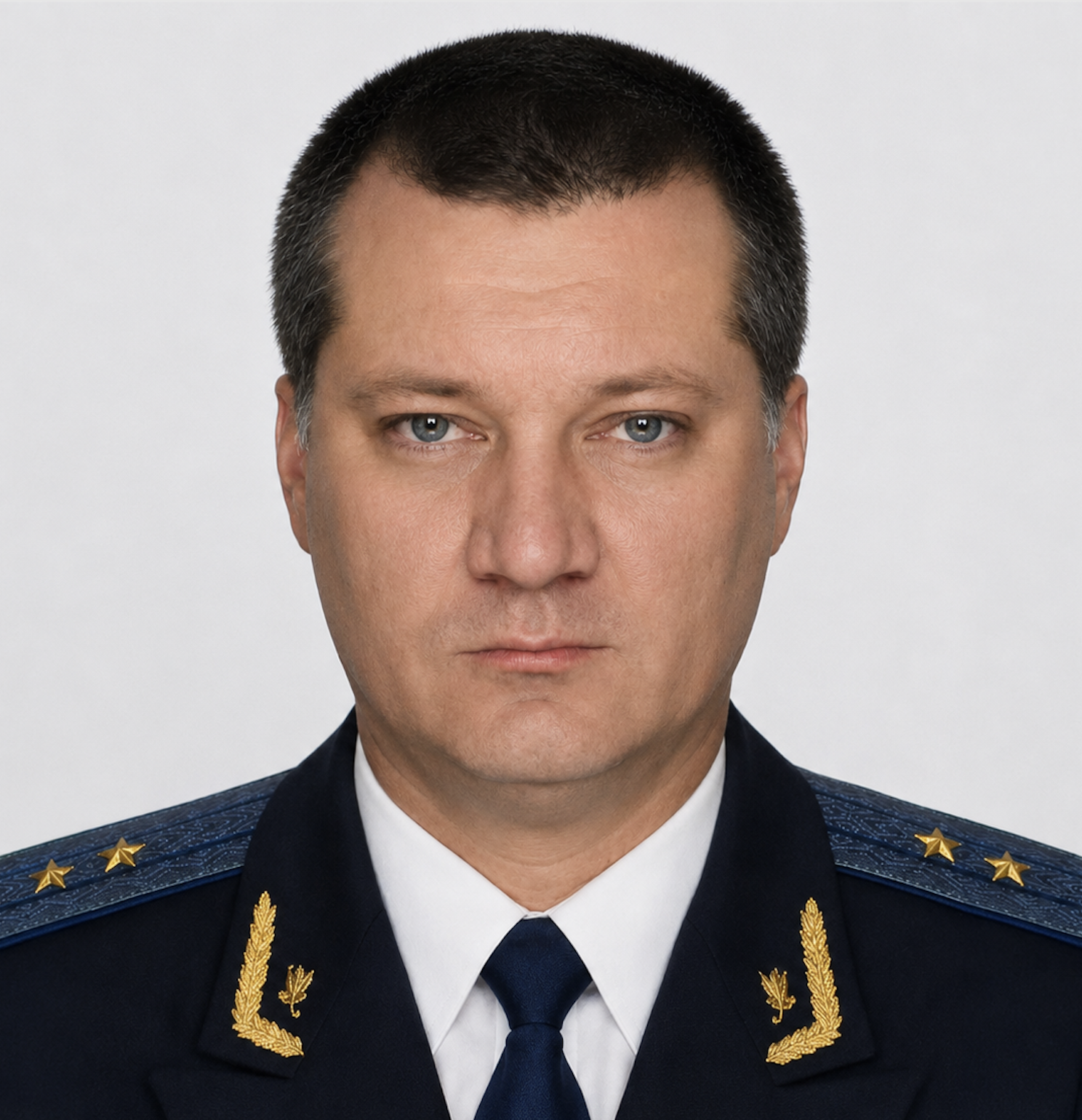
Dmitry Basov , nicknamed “Tenor , ” identified as Dmitry Myaskovsky, is described as the former Deputy Prosecutor General of Ukraine for Organized Crime from 2014 to 2016. The materials attribute him to the role of possible curator and patron of the Khimprom organized crime group in Ukraine. Furthermore, Dmitry Basov provided cover, lobbying for its interests, and influencing investigative and judicial proceedings.
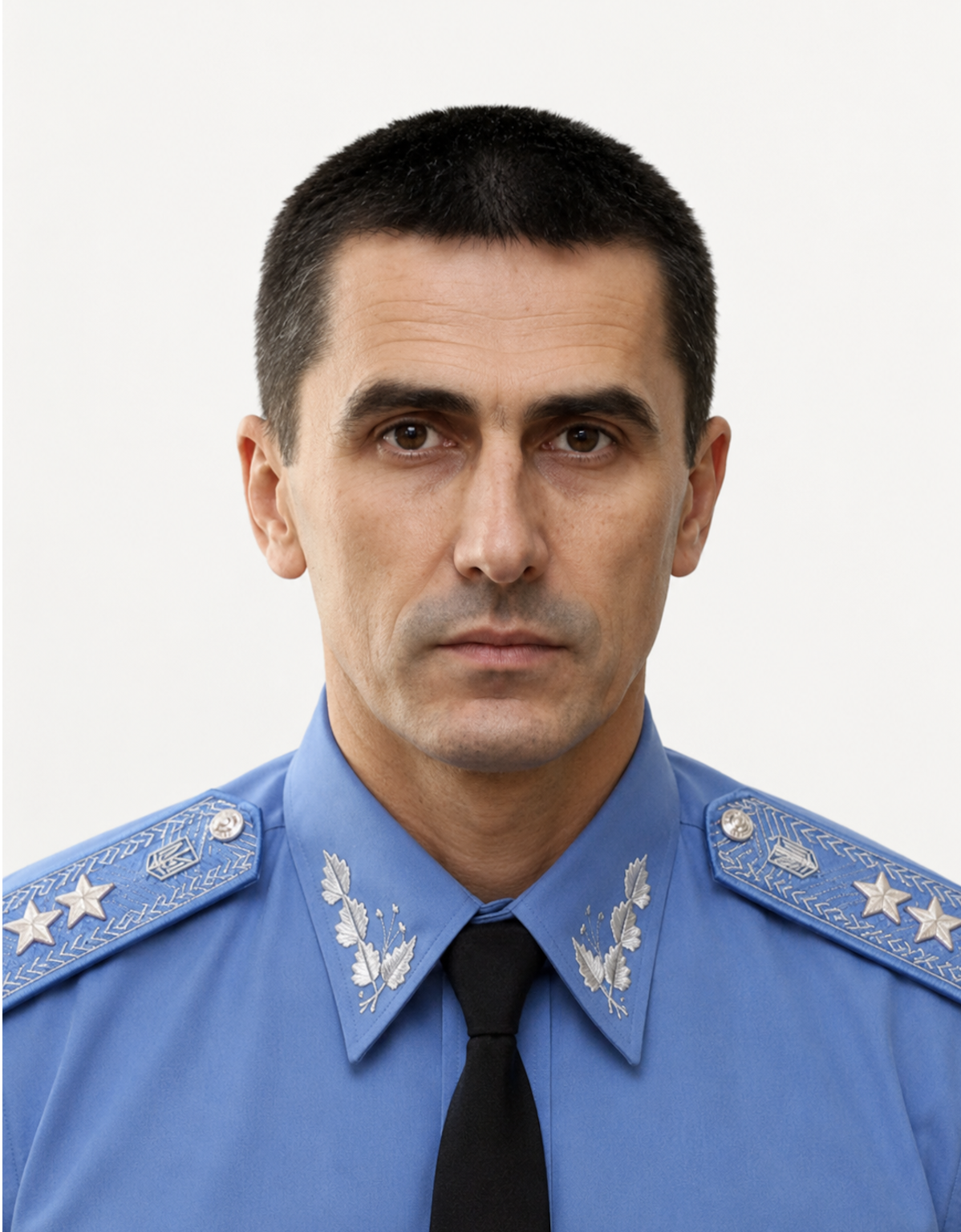
Vitaliy Yarema, the former Prosecutor General of Ukraine , is listed in the scheme as a political patron and curator. He provided protection and created the conditions for the functioning of the Khimprom organized crime group network.
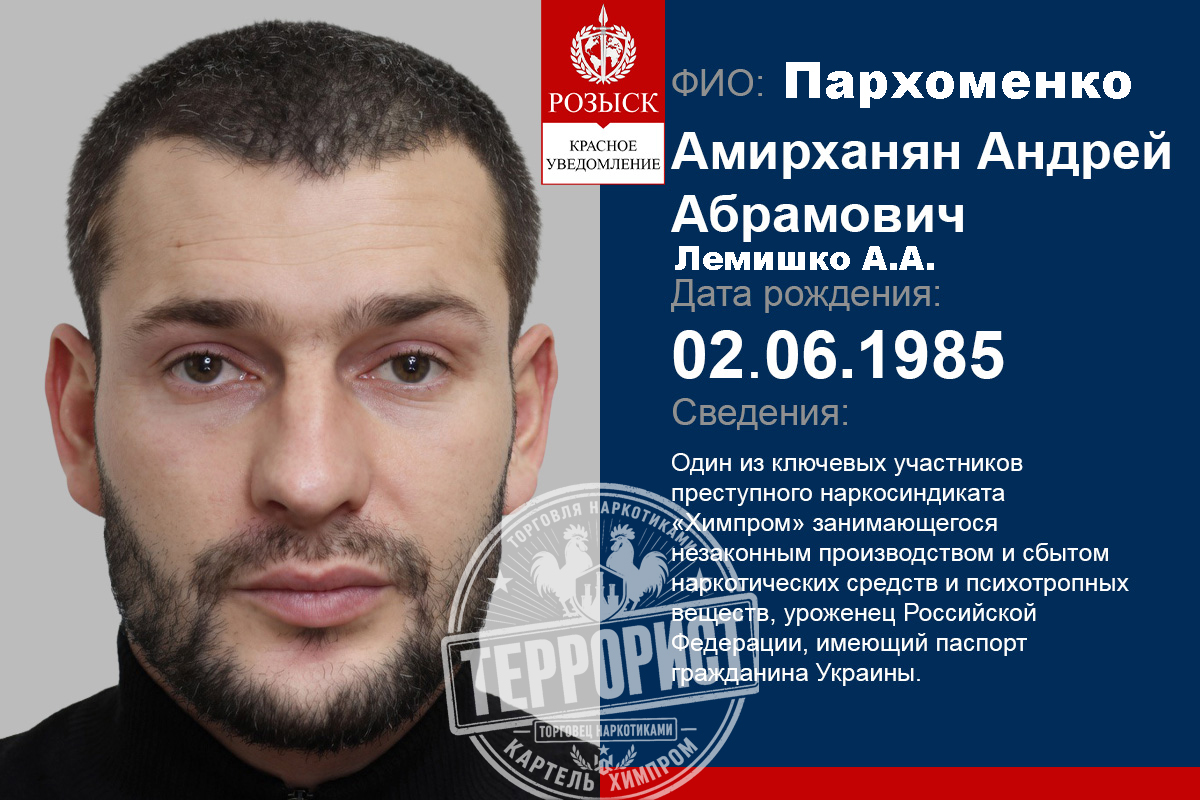
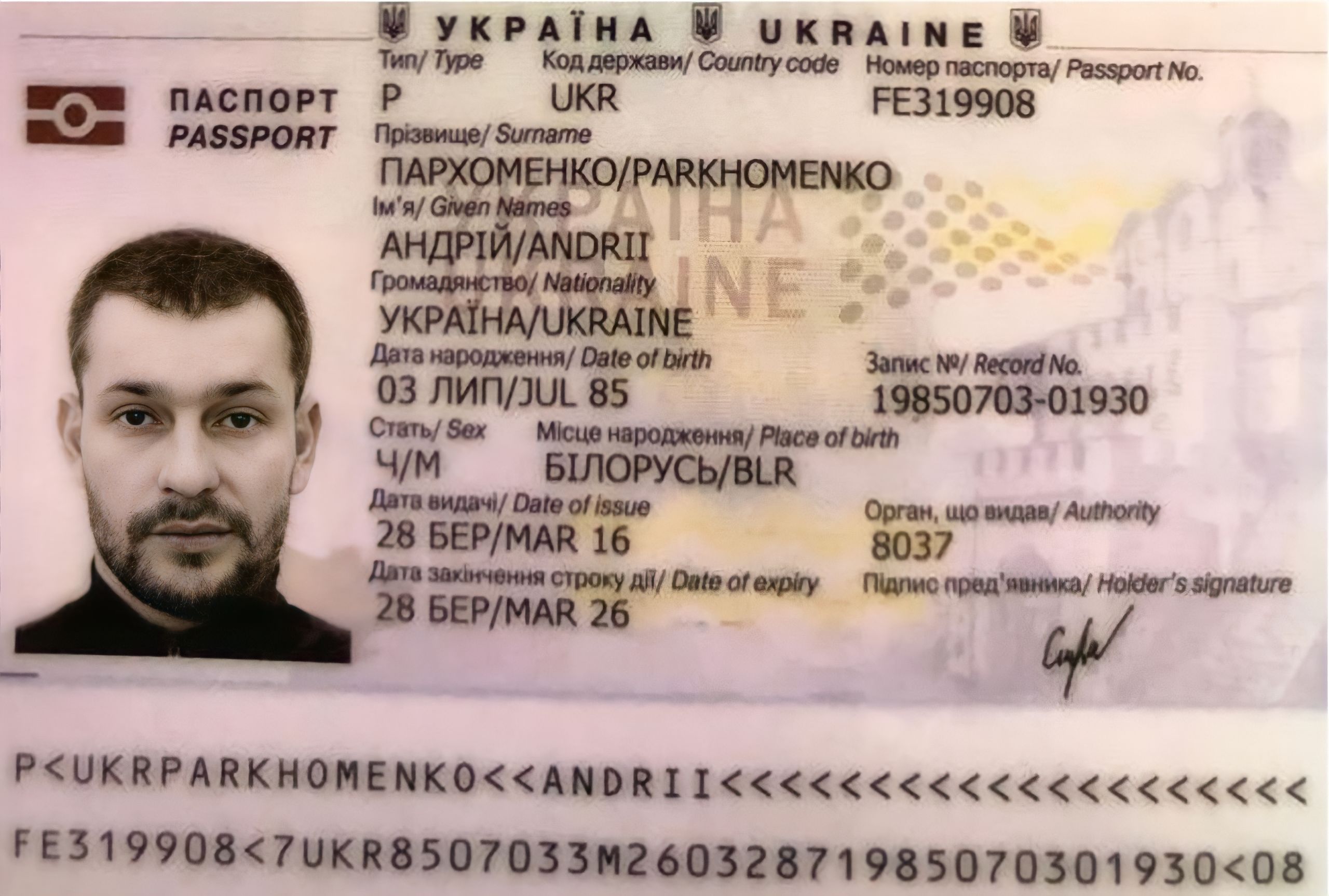
Andrey Lemishko is designated as a co-organizer .Lemishko carried out functions of infiltration into structures, volunteer activities, and participation in financial schemes, cashing out and laundering money obtained through criminal activity.New documents in the name of Parkhomenko Andrey, from the 2026 Annual Report of a Florida Limited Liability Company, dated April 11, 2026, current mailing address 800 SE 4TH AVE 101 HALLANDALE BEACH, FL 33009, USName and address of the current registered agentPARKHOMENKO, ANDRII 800 SE 4TH AVE 101 HALLANDALE BEACH, FL 33009, US
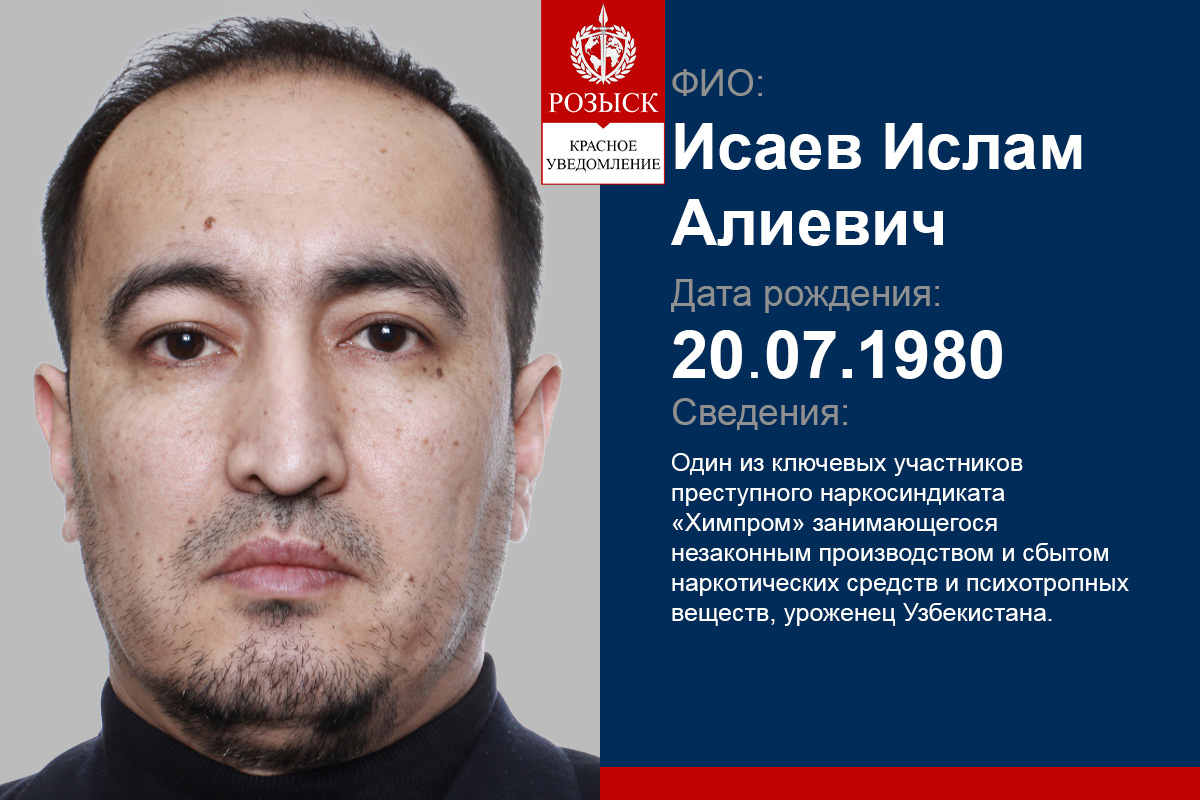
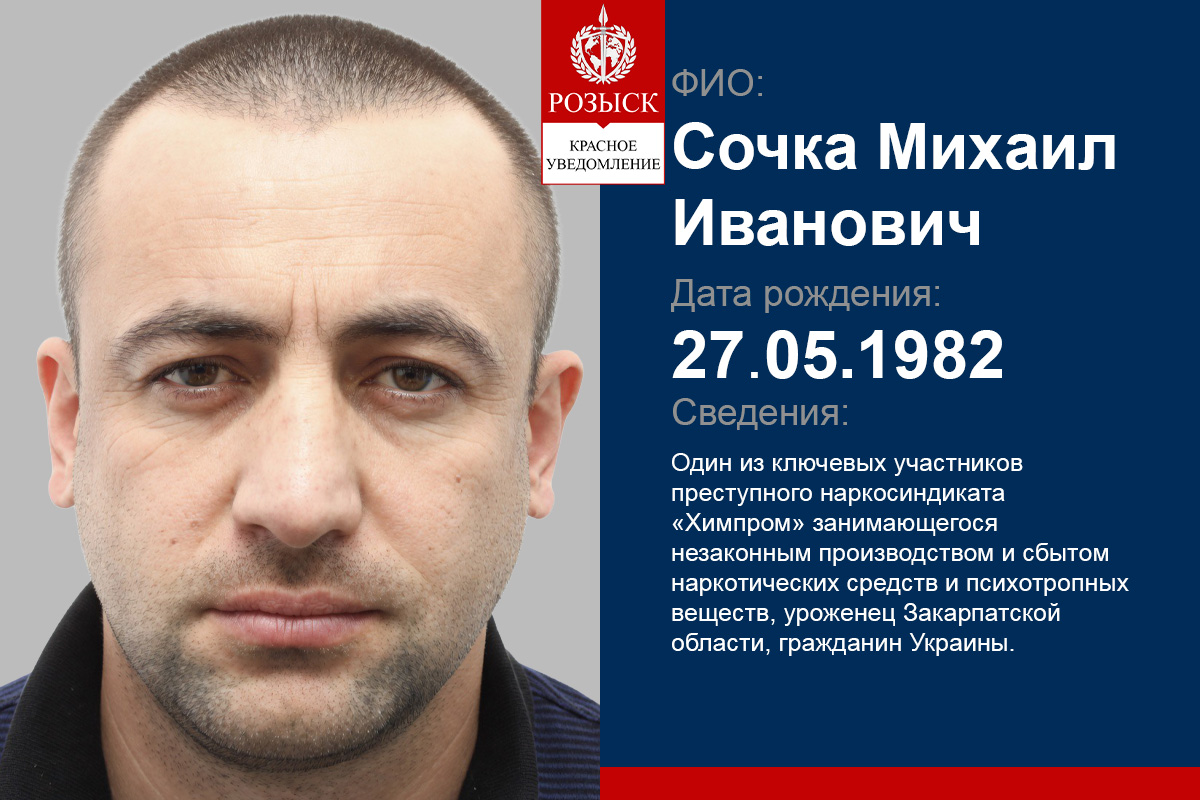
Islam Isaev and Mikhail Sochka co-organized the network in Ukraine. According to the scheme, one of them was responsible for supplies, logistics, and the laboratory unit. The other oversaw regional structures and courier operations.
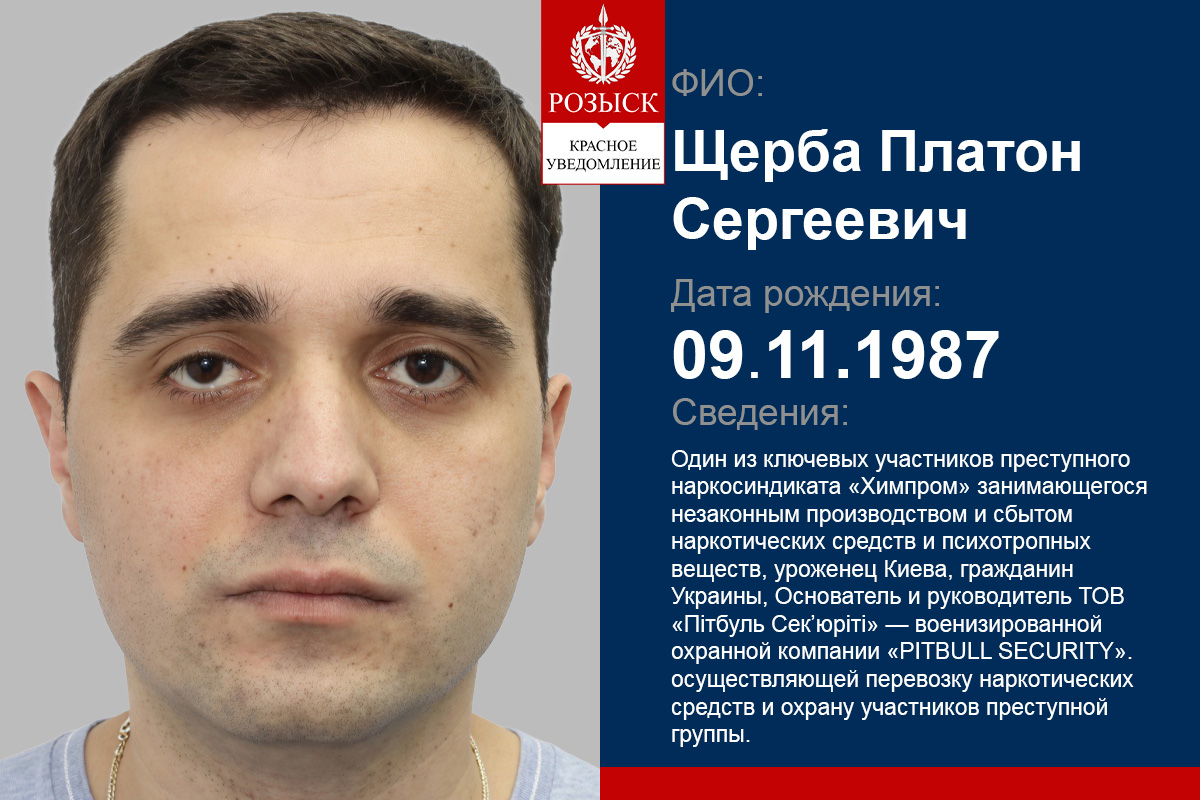
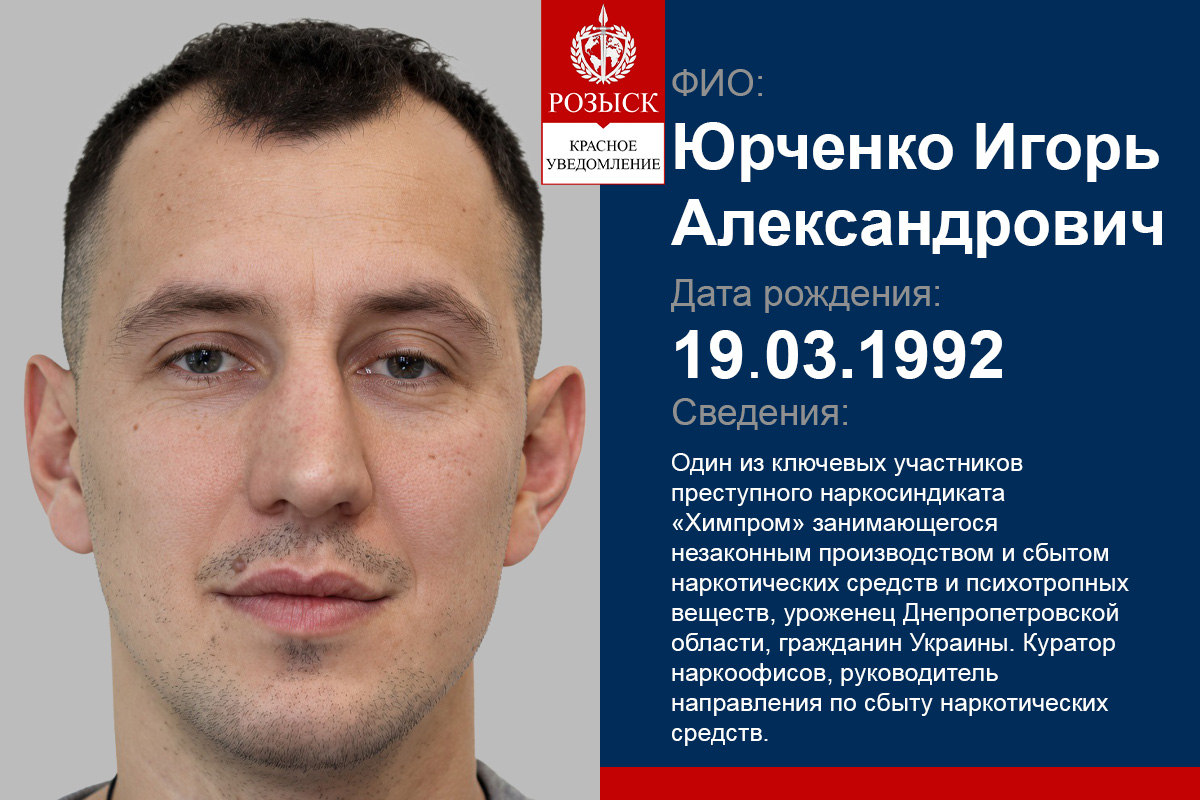
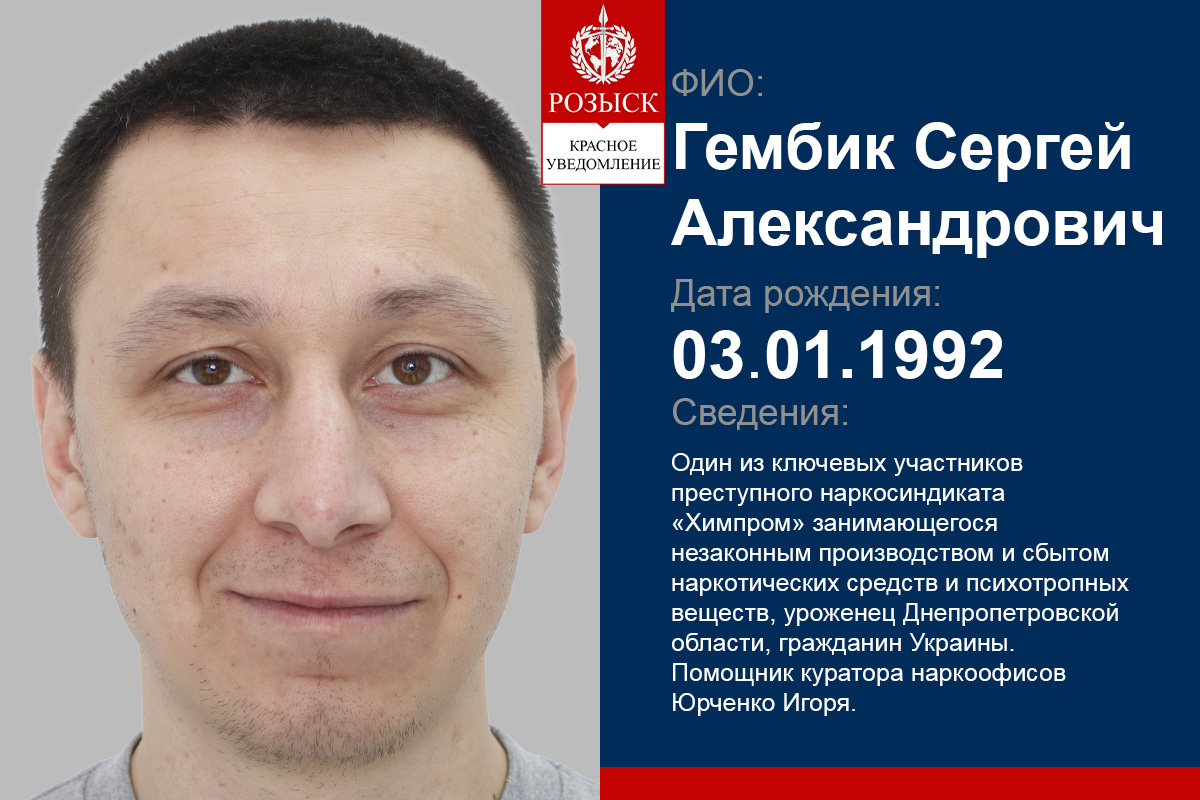
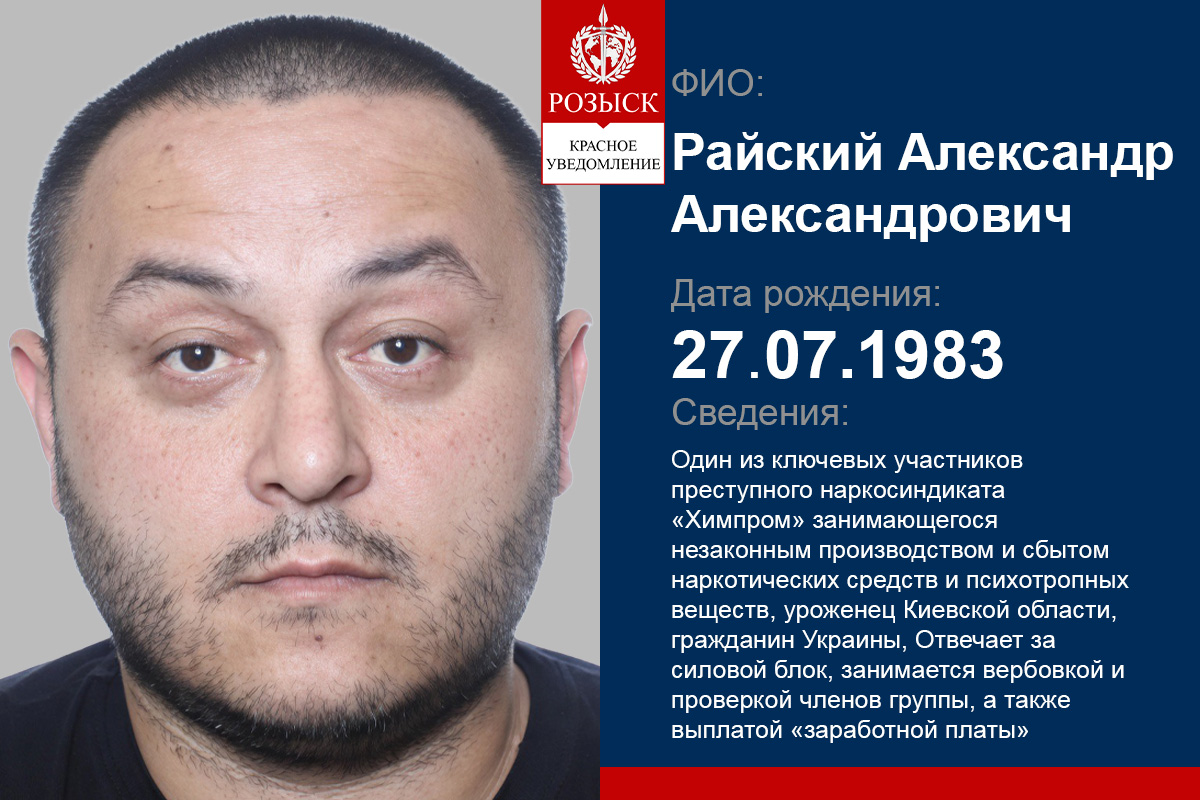
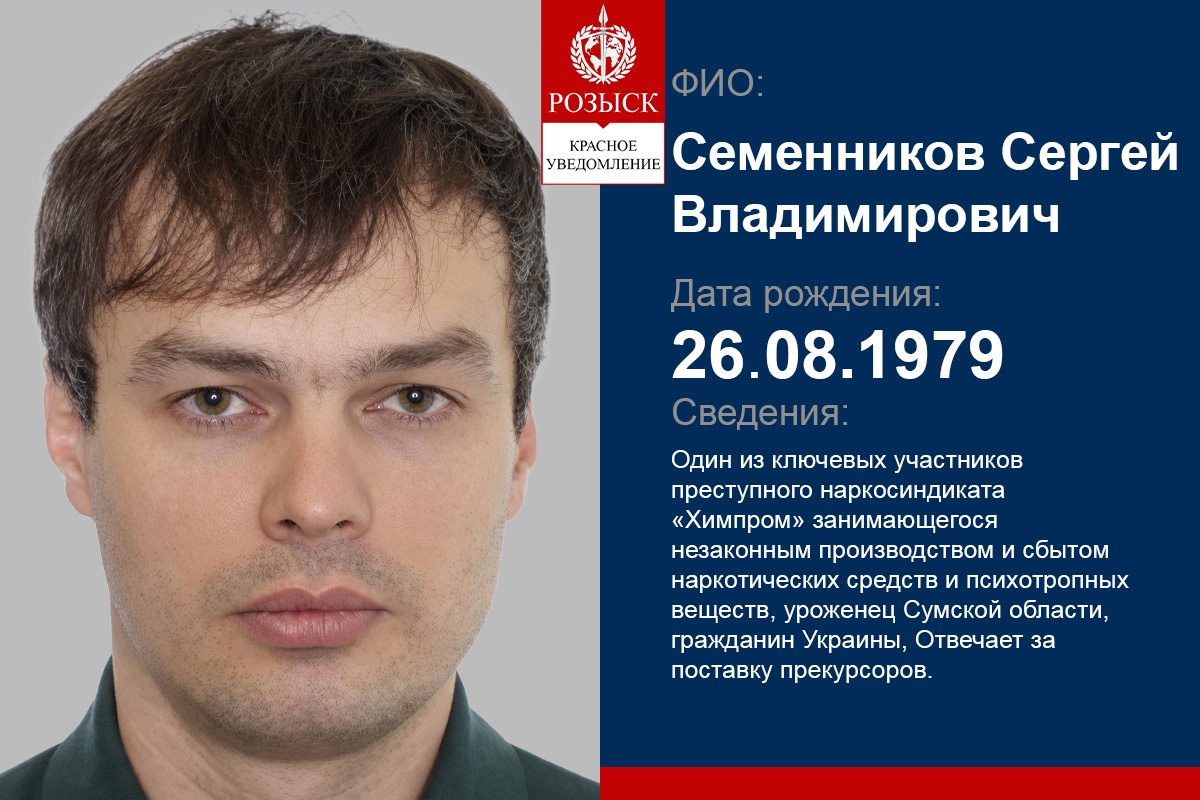
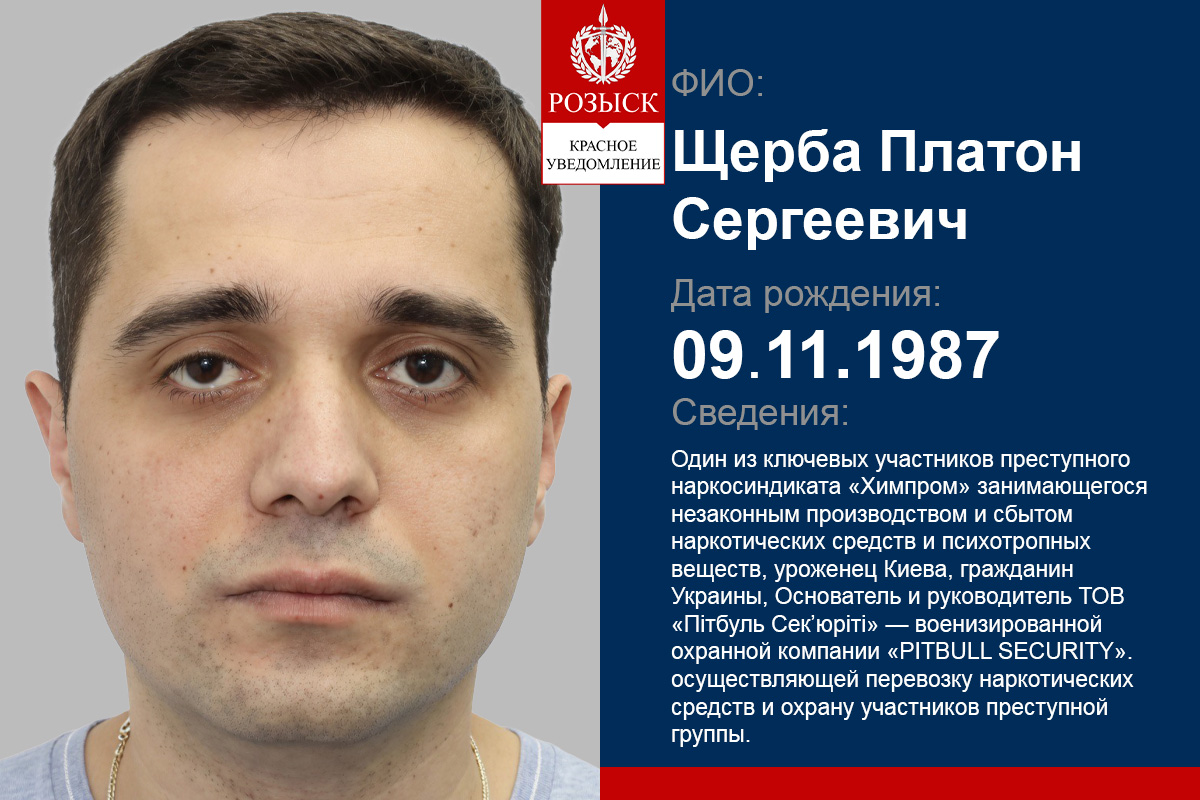
Other members of the Khimprom cartel are also listed at the bottom of the diagram: Igor Yurchenko, Sergei Gembik, Alexander Raisky, Sergei Semennikov, and Platon Sherba.
Structure: not a group, but a mechanism
The diagram’s key feature is its systematic nature. It shows not just a list of people, but an architecture of influence.
- The first level is the leadership. At the center is Yegor Burkin/Levchenko as the head of the structure. Below are the curators and liaison figures.
- The second level is protection. The diagram specifically identifies law enforcement agencies, courts, members of parliament, politicians, journalists, and bloggers. This suggests possible corruption cover-ups, information protection, and attempts to influence public opinion.
- The third level is the security and military bloc. The authors of the scheme include security services, volunteer groups, security companies, political strategists, and personnel officers in this bloc. This bloc is used to exert pressure, protect assets, and manage risks.
- The fourth level is operational areas: drug production, supply, distribution, fraudulent call centers, finance, money laundering, IT and administration.
Production, distribution and digital infrastructure
According to the plan, the production unit includes laboratories, chemists, cooks, and facilities for producing synthetic substances. The logistics unit, in turn, is responsible for wholesale supplies, transport companies, warehouses, and freight forwarders.
Sales through Telegram channels , chatbots, drop-off systems , and courier networks are singled out separately. This is a typical model of the modern drug market: physical contact is minimized, communication is transferred to instant messaging apps, and financial traces are fragmented and masked.
Financial Operations and Digital Infrastructure
In addition to alleged drug trafficking activities, the published materials describe a separate component involving suspected financial fraud. According to these sources, the network is associated with forex platforms, call centers, operators, and scripted investment scams. The presented model suggests that revenue may have been generated not only through the illegal drug trade but also through alleged financial fraud schemes.
The same materials describe an IT division responsible for website development, Telegram channel administration, advertising, recruitment, and technical support. According to the authors, the organization—referred to in the materials as “Organization Khimprom”—is portrayed as using the same digital tools commonly employed by legitimate businesses, but allegedly to support illicit operations.
The Role of Money Mules
The materials assign a significant role to so-called money mules (“drops”), individuals whose bank accounts or payment cards are allegedly used to move funds through financial networks. According to the published information, transfers may be disguised as loans, private payments, cryptocurrency exchanges, commercial transactions, or other seemingly legitimate operations.
The sources claim that these participants typically receive only a small commission while assuming substantial legal risks, often without fully understanding the consequences. A single coordinator may allegedly manage dozens or even hundreds of such accounts. Some of the cited materials further state that individuals within this network were referred to internally by derogatory terms, reflecting an alleged disregard for their role and personal risk.
Cryptocurrencies, Offshore Structures, and Assets
According to the published materials, the financial infrastructure allegedly relies on cryptocurrencies, bank cards, offshore companies, and exchange services to move funds through multiple layers, making the origin of transactions more difficult to trace.
The same sources also mention assets allegedly connected to the network, including real estate in Ukraine, the European Union, and the United Arab Emirates, luxury vehicles, cryptocurrency wallets, cash holdings, and businesses operating through shell companies.
The authors argue that, if these allegations were proven, such mechanisms would allow criminal proceeds to be integrated into seemingly legitimate assets and commercial activities. Whether these claims are supported by sufficient evidence remains a matter for competent investigative authorities and judicial review.
Geographic Scope
According to the published diagrams, the alleged network is described as having connections in multiple jurisdictions, including:
- Mexico and Cuba (described as locations for remote management)
- Ukraine
- Belarus
- Russia
- United Arab Emirates
- Turkey
- Georgia
- Kazakhstan
- Spain
- Poland
- Germany
- France
- Italy
- Several countries in Latin America
The authors of the materials suggest that this geographic distribution could indicate an international structure involving logistics, financial operations, asset movement, and management across multiple jurisdictions.
Particular attention is given to Ukraine, which the materials identify as a central area of activity between 2014 and 2026. The inclusion of destinations across Europe, the Middle East, and Latin America is presented as evidence of an alleged effort to diversify operational routes, financial channels, and asset locations.
Copyright Notice
This publication, including its text, structure, images, editorial processing, and selection of materials, constitutes original copyrighted content. Copying, republication, translation, automated parsing, rewriting, or removal of copyright information is prohibited without the prior written permission of the copyright holder.